Illuminating Your Garden: A Guide to Outdoor Lighting
Illuminating Your Garden: A Guide to Outdoor Lighting
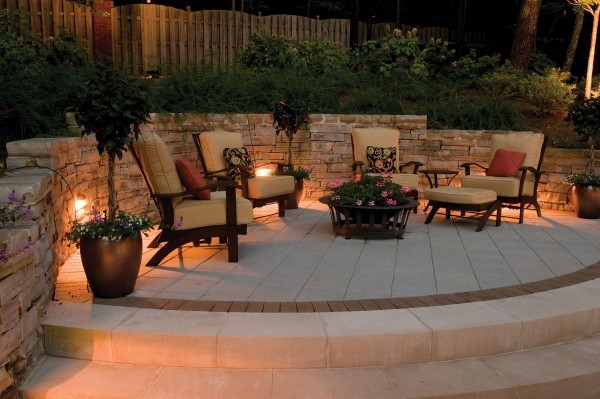
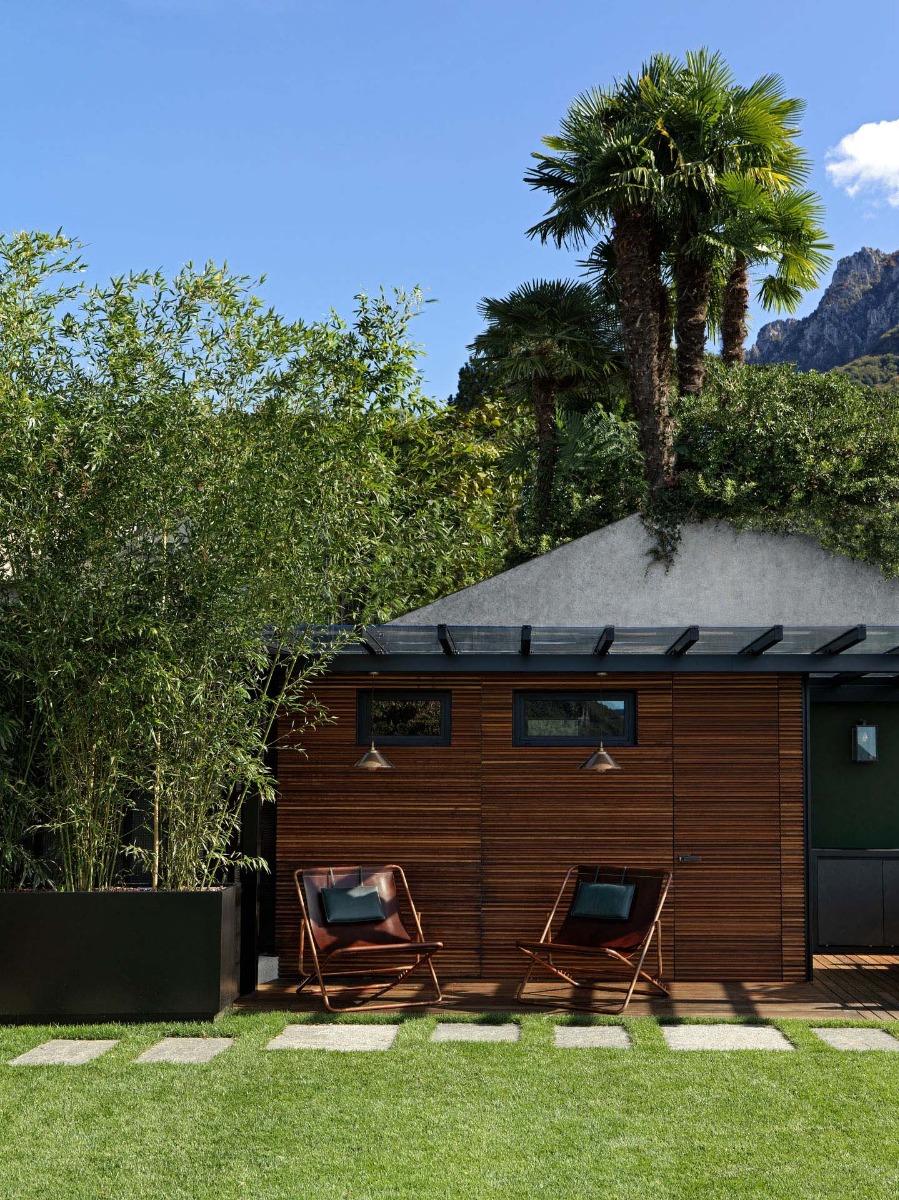
On warm evenings, a garden, patio or balcony can become another room of the home. The right lighting makes it easier to move around, eat outdoors and enjoy the space after sunset.
The aim is not to make every corner bright. Good outdoor lighting places light where it is useful, while allowing darker areas to create depth. A few well-positioned fittings will usually give a better result than a garden filled with competing light sources.
Begin with How You Use the Space
Before choosing any fittings, walk through the garden after dark.
Look at the routes people take between the house, seating areas, gates and outbuildings. Steps, changes in ground level and entrances will need practical light. A dining table or patio may need a softer layer that can remain on throughout the evening.
It is also worth viewing the garden from inside. Lighting a tree, a section of stone wall or an area of planting can give you something to look out at during darker months.
Choose the areas that matter most and leave some space between them. The contrast will help each pool of light feel more purposeful.
Build the Lighting in Layers
Most outdoor lighting schemes use a mix of general, task and accent light.
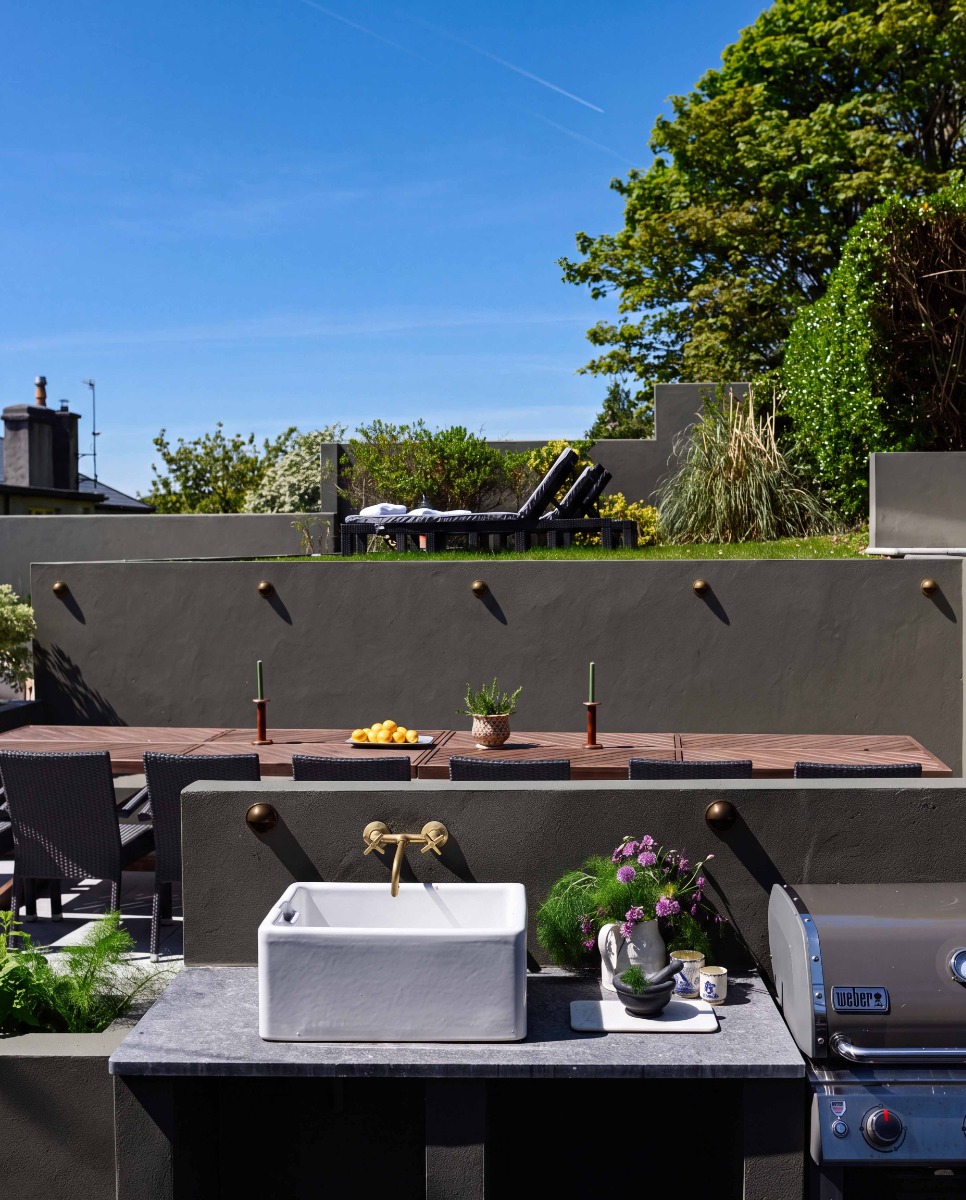
General Lighting
General lighting helps people understand the shape of the space and move around comfortably.
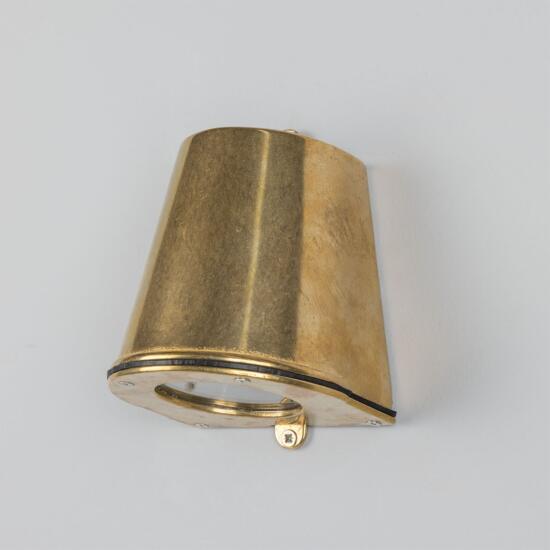
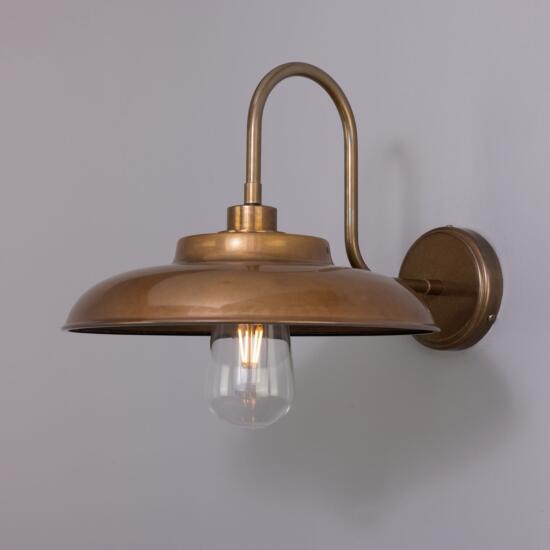
Outdoor wall sconces, bulkhead lights and festoon lights can provide this background glow around entrances, patios and balconies. A bulkhead light such as the Muara can spread light across a wall or doorway without overpowering the surrounding area.
Keep this layer soft. An outdoor space rarely needs the same overall brightness as a kitchen or living room.
Task Lighting
Task lighting is placed where clear visibility is needed.
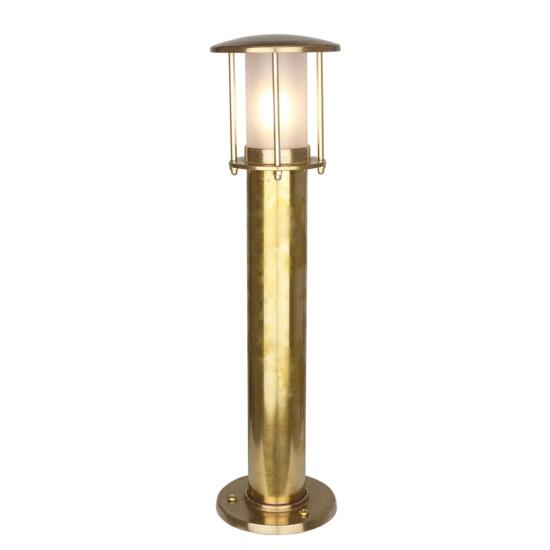
This might be beside a doorway, along a path, near steps or above an outdoor cooking surface. Bollard lights can help define a route, while adjustable wall sconces or spotlights can direct light towards a grill, worktop or gate.
Several low-output lights are often more comfortable than one powerful fitting. Place the light close to the task and keep the bulb out of direct view where possible.
Accent Lighting
Accent lighting draws attention to a particular part of the garden.
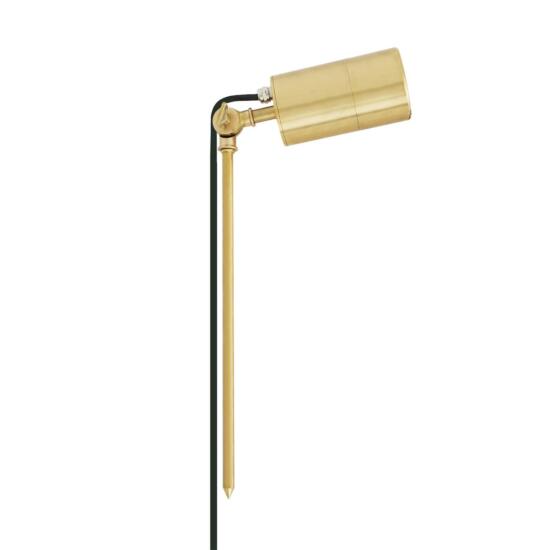
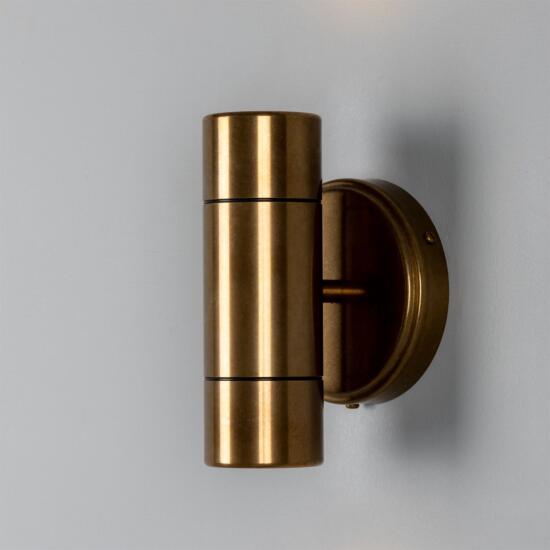
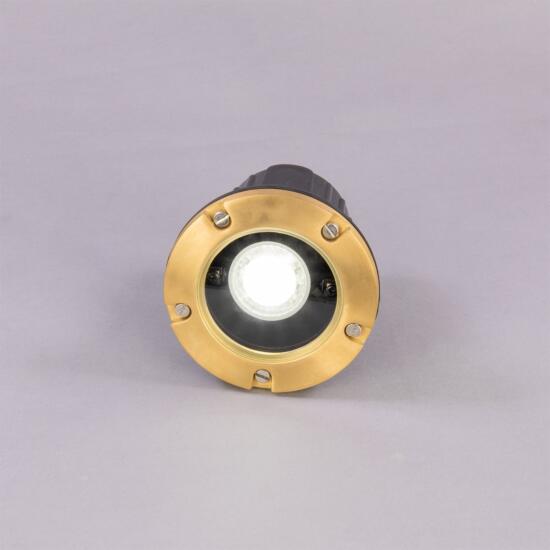
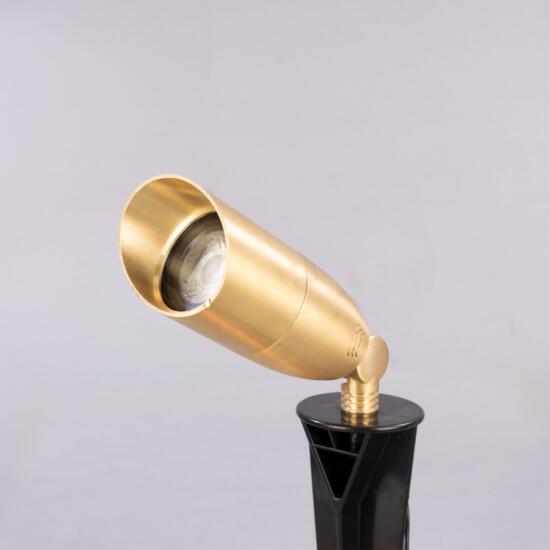
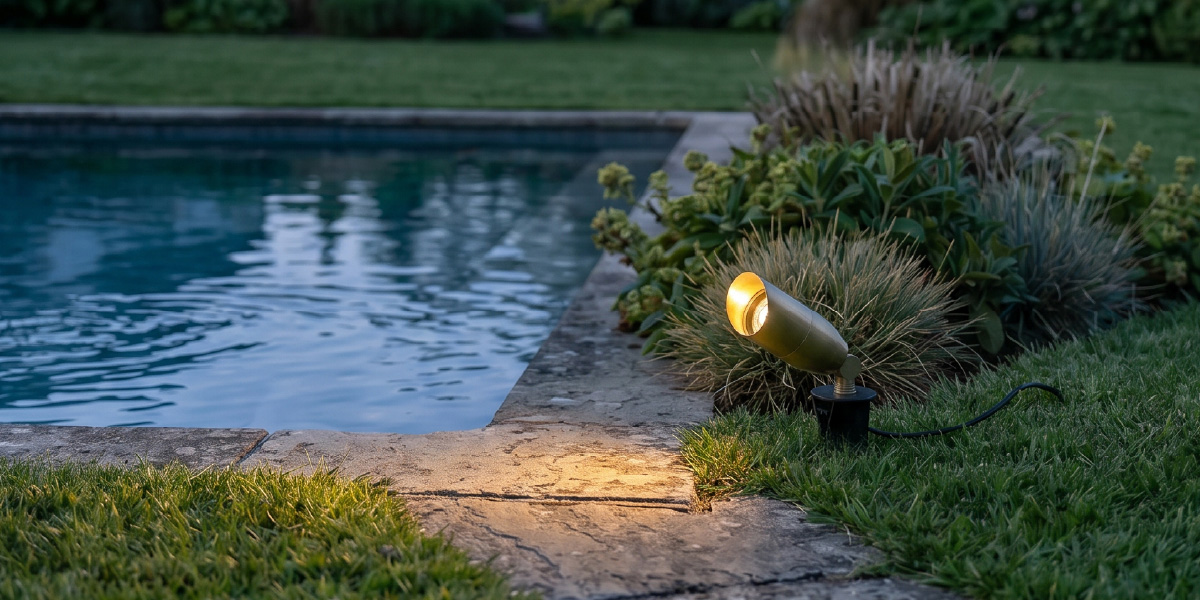
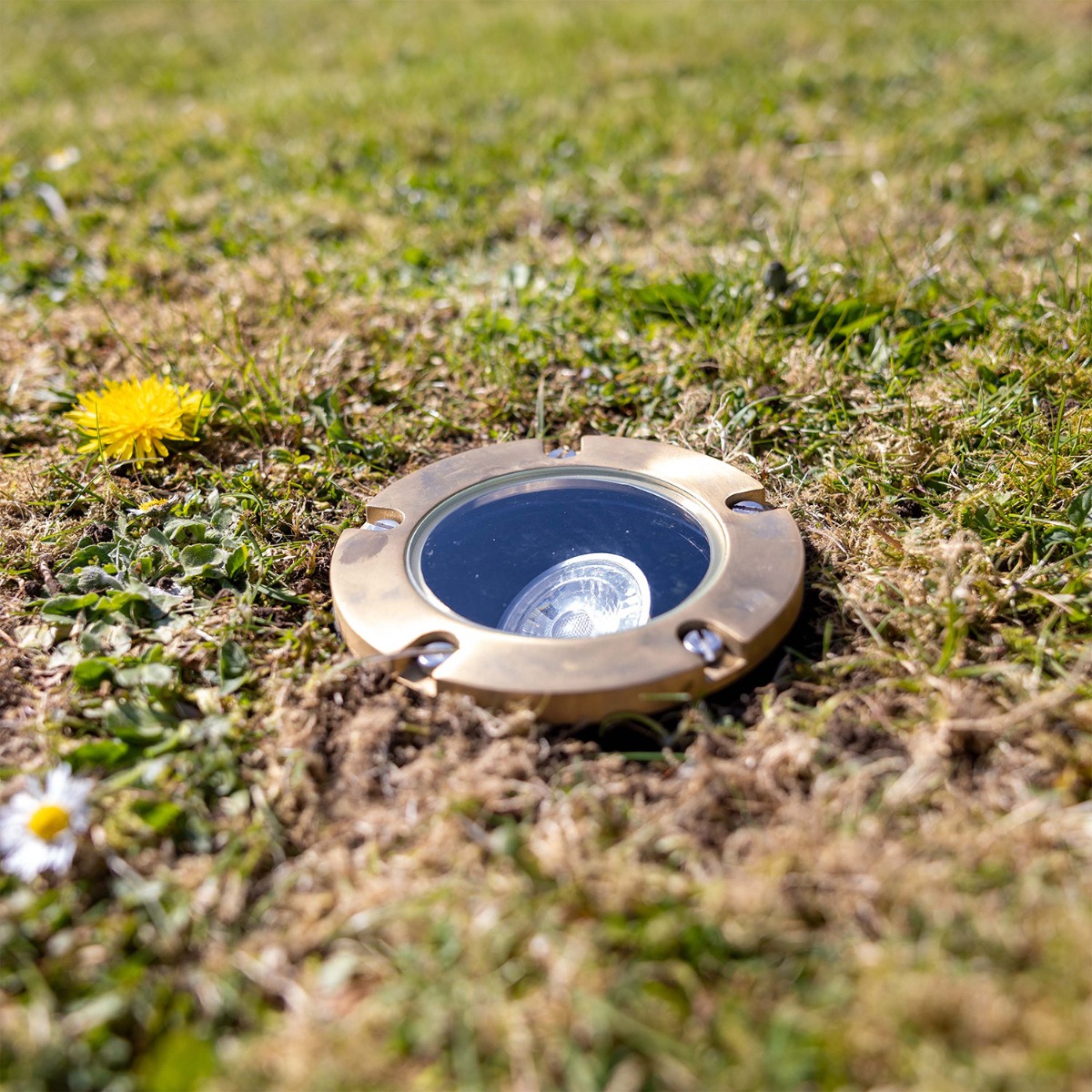
A spotlight can be angled towards a tree, sculpture, planting bed or textured wall. This adds depth and allows the garden’s structure to remain visible after dark.
Test the position before fixing the light permanently. A spotlight placed close to a wall will bring out the texture of brick or stone. Moving it further away will give a broader, softer wash.
Choose a Warm Light Temperature
Warm white light tends to feel more comfortable around seating areas, entrances and outdoor dining tables. It also sits well against brass, timber, brick and natural stone.
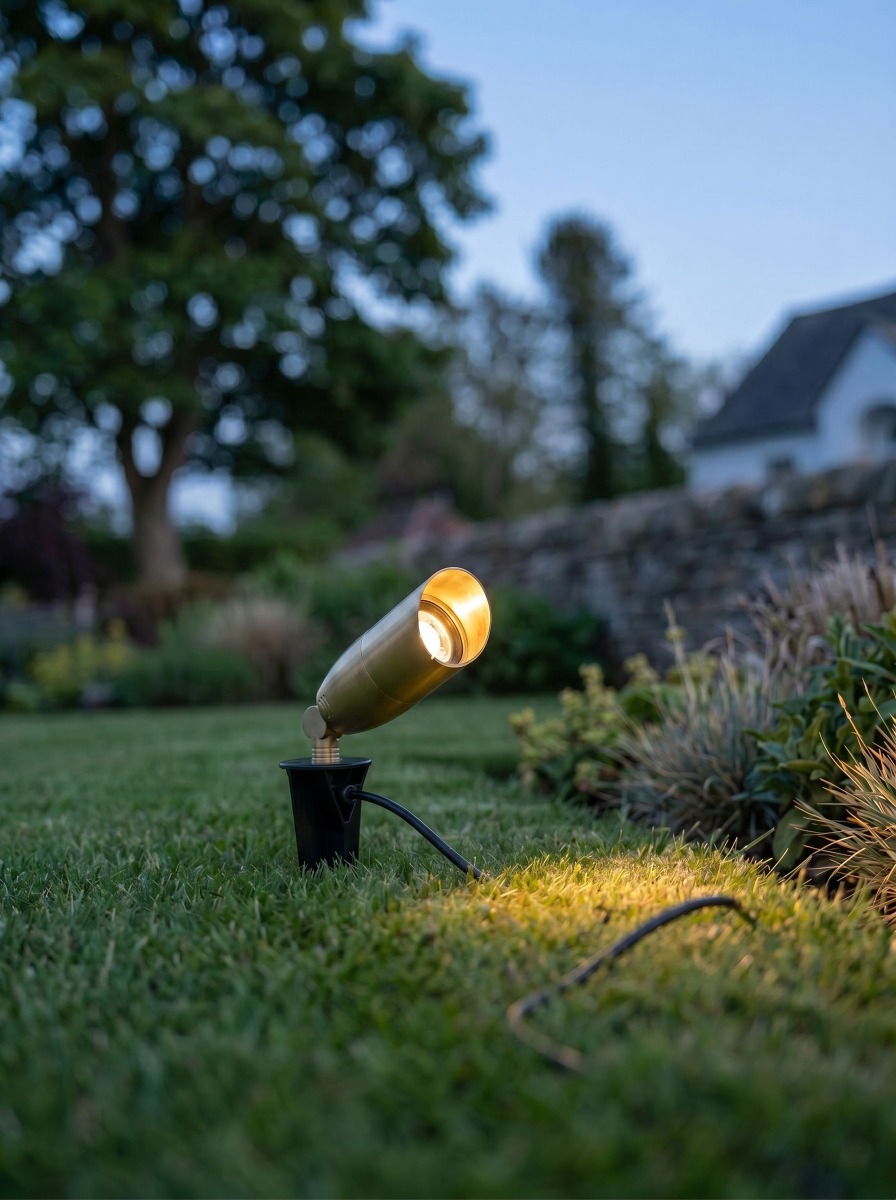
Warm white light tends to feel more comfortable around seating areas, entrances and outdoor dining tables. It also sits well against brass, timber, brick and natural stone.
Cooler light can be useful for particular tasks, but it may feel stark when used across the whole garden. Keeping the colour temperature consistent will help separate fittings feel connected.
Brightness matters too. An exposed bulb that is too strong can cause glare and make the surrounding darkness harder to see into. Shielded fittings, directional shades and dimmable bulbs give you more control.
Make Patios and Dining Areas Comfortable
Begin with gentle light around the edge of the patio rather than placing a single bright fitting above the centre.
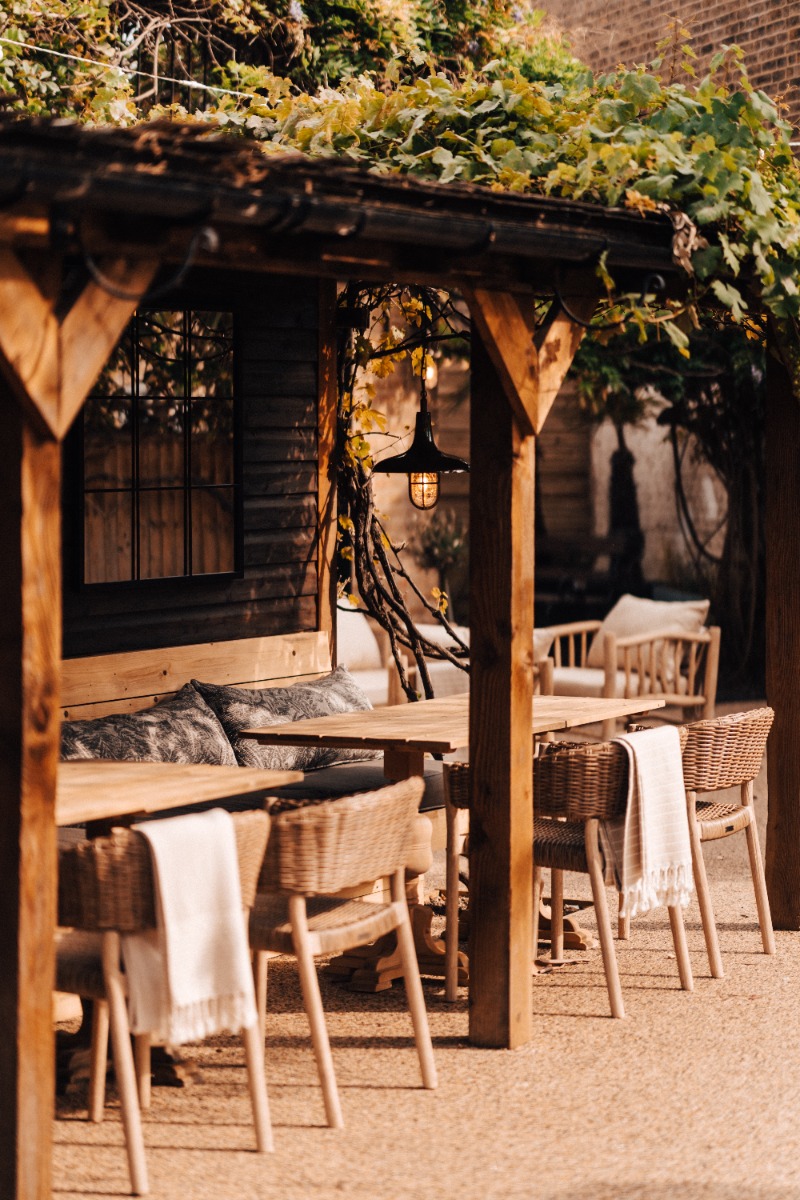
Outdoor wall sconces can cast light onto walls and nearby seating areas. Festoon lights can be hung above a table, beneath a pergola or along the edge of a balcony for a softer decorative layer.
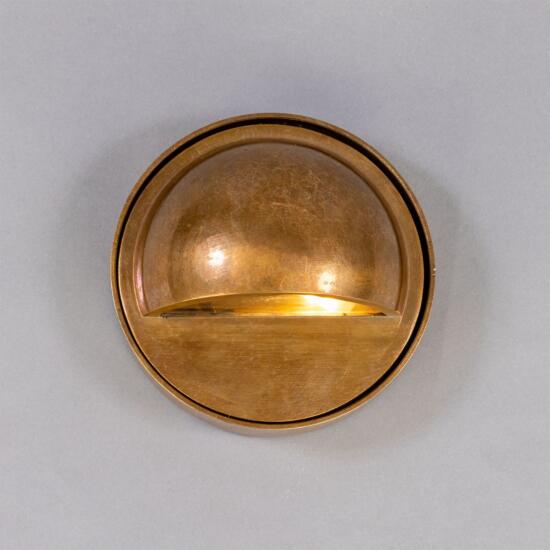
Low-level lighting beneath built-in seating, steps or low walls can help define the boundaries of the space without adding another visible fixture.
Separate controls are useful where the patio has several functions. Brighter light may be needed while cooking or clearing the table, while a lower setting will feel better once everyone is seated.
Light Paths Without Overlighting Them
A garden path should be easy to follow without resembling a runway.
Concentrate light around steps, corners and uneven surfaces. Fittings do not always need to be positioned at regular intervals along the full route.
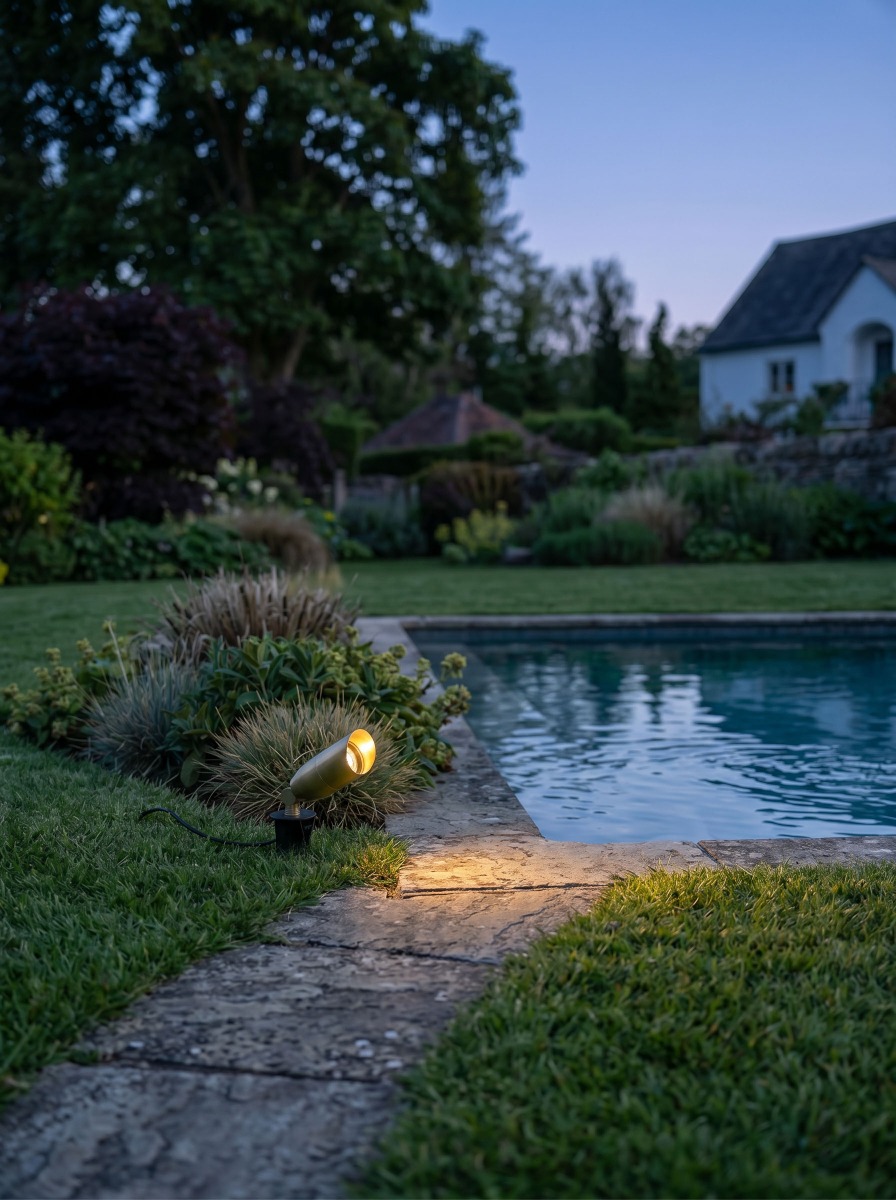
Low bollards, wall-mounted lights and angled spotlights can all work well. Aim the light towards the ground and keep the bulb hidden from the usual line of sight.
Allow room for planting to grow. Leaves and branches can quickly cover a low light or interfere with a motion sensor, particularly in late summer.
Give Entrances a Warm Welcome
Entrance lighting should make the door, lock and house number easy to see.
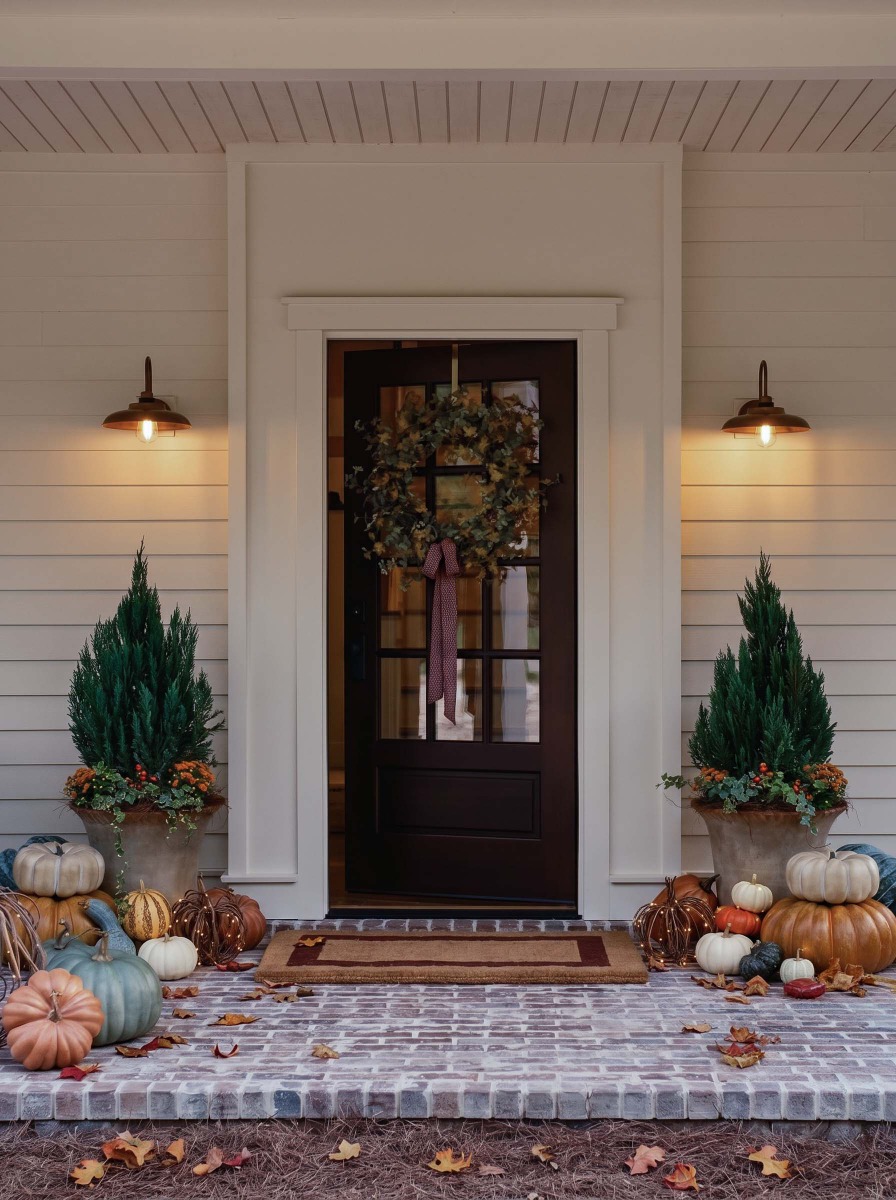
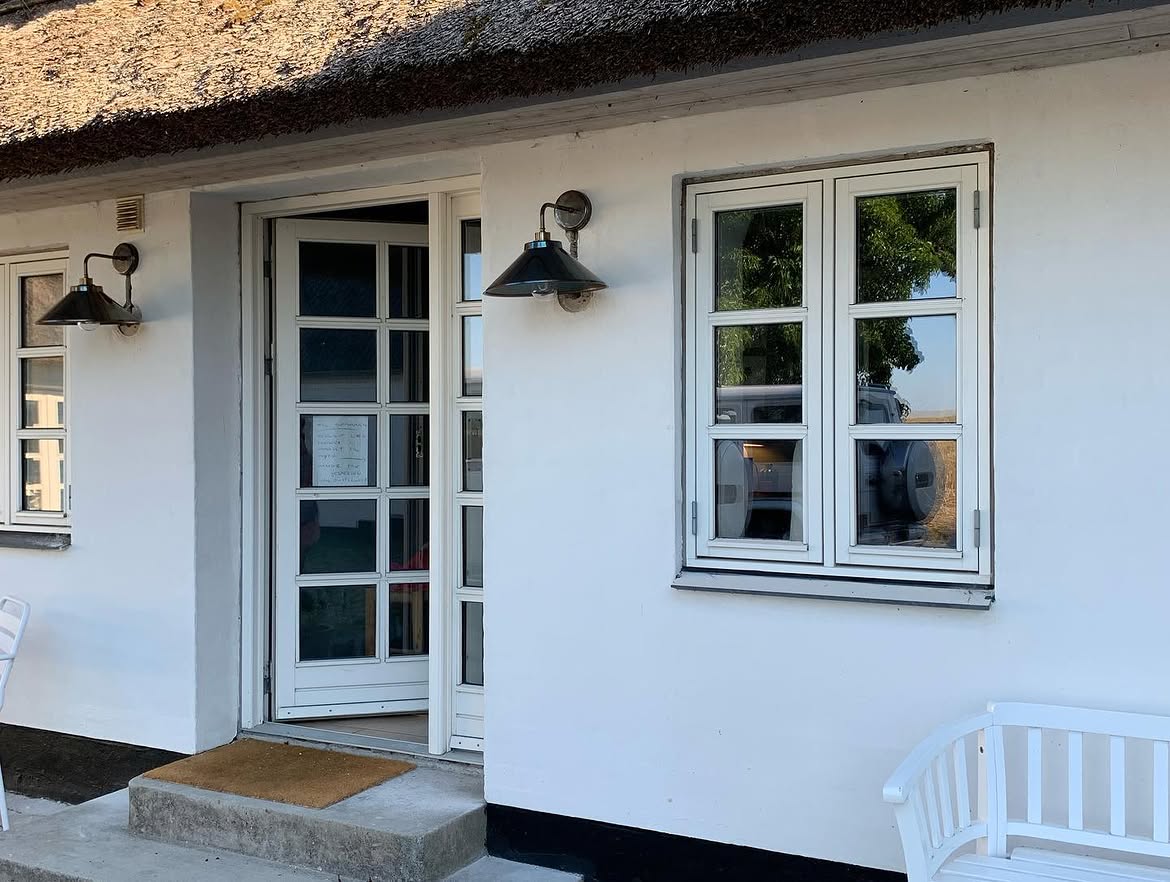
Where space allows, a pair of wall sconces can sit on either side of the door. With a single fitting, place it where the light will reach the handle and step without interfering with the door or nearby architectural details.
The entrance does not need to be flooded with light. A well-positioned wall sconce, supported by low pathway lighting, will often feel warmer than a high-output floodlight.
Downward-facing fittings are especially useful here, as they direct the light towards the doorway and reduce unnecessary upward spill.
Use Light to Reveal Texture and Planting
Trees, grasses and masonry take on a different appearance at night.
Placing a spotlight near the base of a tree will bring out the texture of the trunk and the form of the branches. A narrow beam gives a stronger effect, while a wider beam reaches more of the canopy.
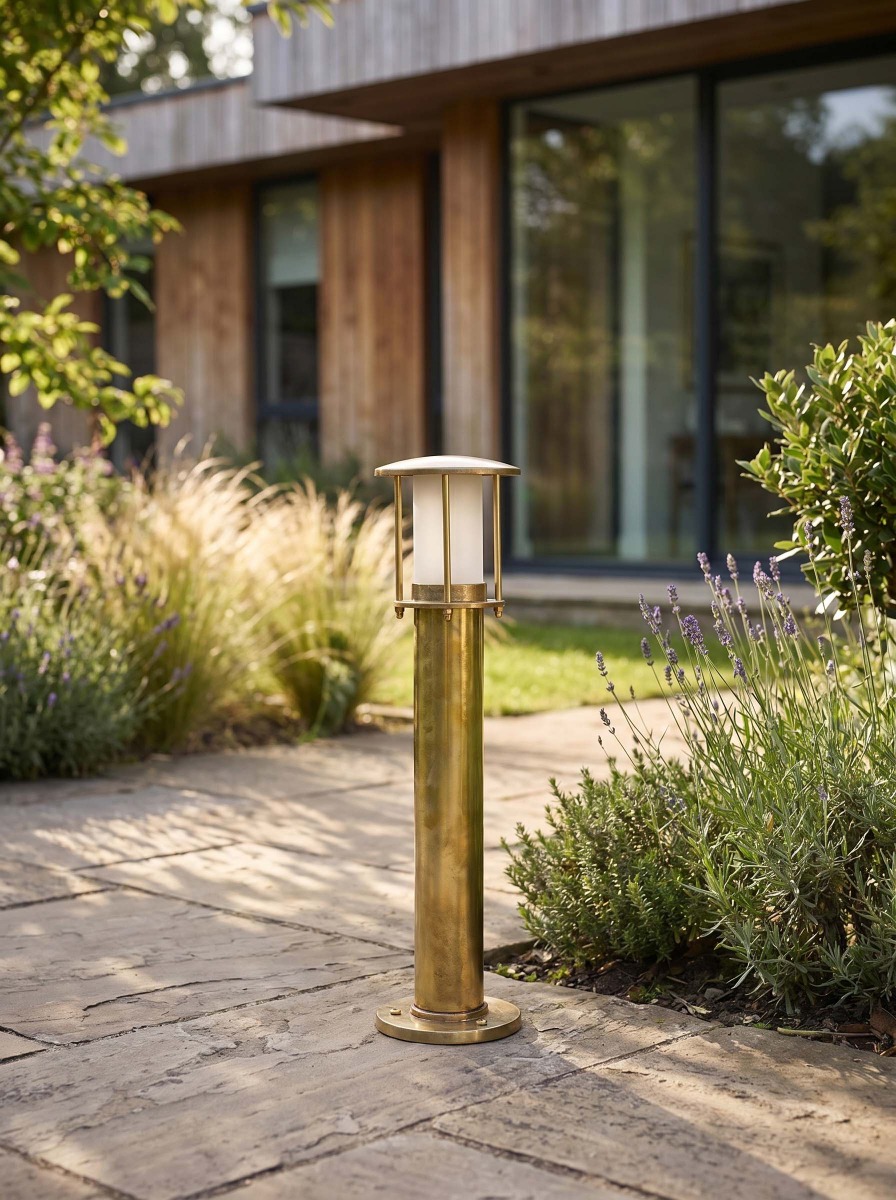
Grasses and leafy plants can be lit from the side or behind. Backlighting produces a clear silhouette, while side lighting catches movement and surface detail.
Brick and stone walls also respond well to directional light. A fitting close to the surface will create stronger shadows. More distance gives a gentler spread.
Choose a small number of features to light. Too many accents will flatten the garden and make it harder to see where one area ends and another begins.
Use Controls to Limit Unnecessary Light
Outdoor lights rarely need to remain on all night.
Motion sensors work well beside entrances, garages and paths.
Position them carefully so they are not repeatedly triggered by passing traffic, animals or movement outside the property.
Dusk-to-dawn sensors can switch entrance lights on as daylight fades. Timers or smart controls give you more flexibility, allowing practical lighting to remain available while decorative lights switch off once the garden is no longer in use.
Separate circuits can also help. You may want pathway lights to stay on longer than the lighting around a dining area.
Solar or Hardwired Lighting?
Solar lighting is easy to install and can be moved as planting or furniture changes. It can work well for decorative accents and places where running electrical cable would be difficult.
Its performance will depend on the amount of daylight reaching the panel. Shade, cloud cover and seasonal changes can affect both brightness and running time.
Hardwired lighting provides a more dependable output and is generally better suited to entrances, outdoor cooking areas and regularly used paths. It requires more planning and should be installed by a qualified electrician.
Many gardens use both: hardwired fittings for practical light and solar lights for flexible decorative details.
Check the Outdoor Rating
Every fitting used outside must be suitable for its position and level of exposure.
An IP rating indicates the protection a fitting provides against solid objects and moisture. The first number relates to solids and dust, while the second relates to water.
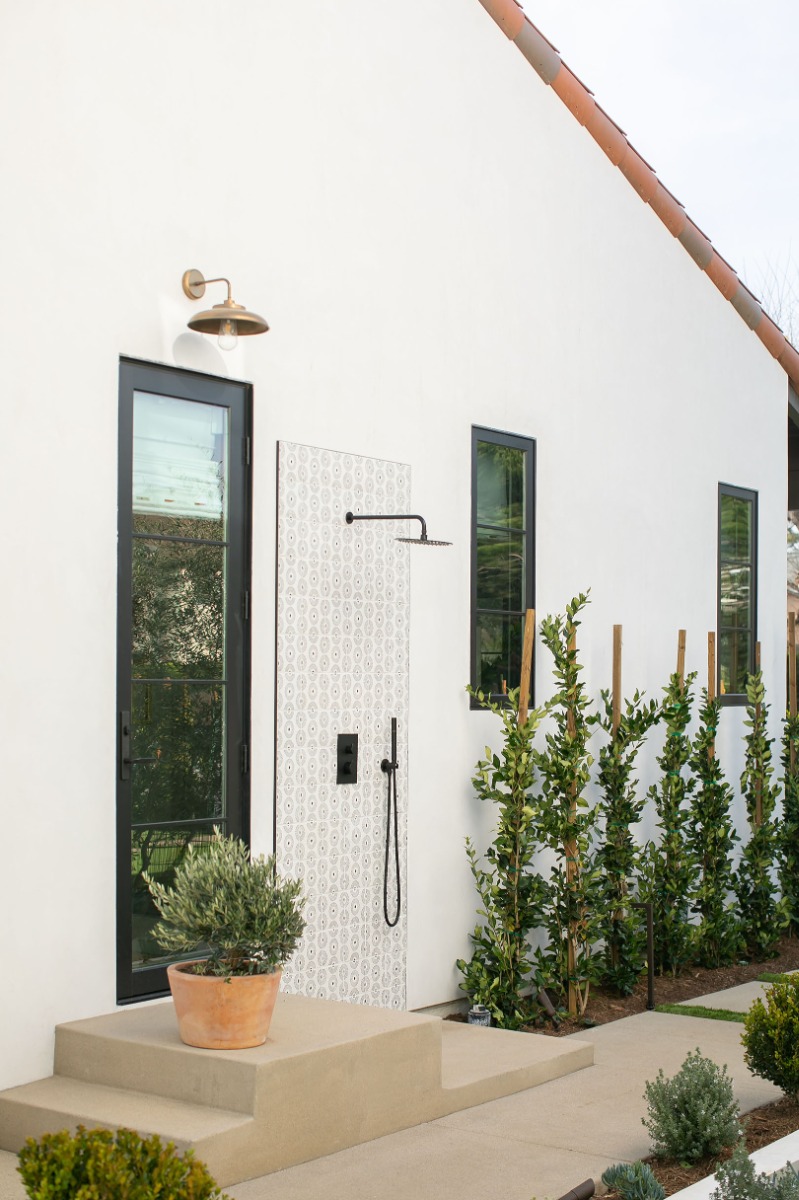
An IP44 fitting may be suitable in certain sheltered positions. An IP65 fitting provides greater protection in areas exposed to rain or water spray. The right rating will depend on where the light is installed and the conditions around it.
For North American installations, check whether the product is approved for a damp or wet location. These classifications are separate from the IP system and should not be treated as direct equivalents.
Always read the specification for the individual fitting and ask a qualified electrician to confirm that it suits the location and local electrical requirements.
Think About Materials and Finishes
Outdoor lighting is exposed to rain, sunlight and changes in temperature, so the finish needs to suit the setting.
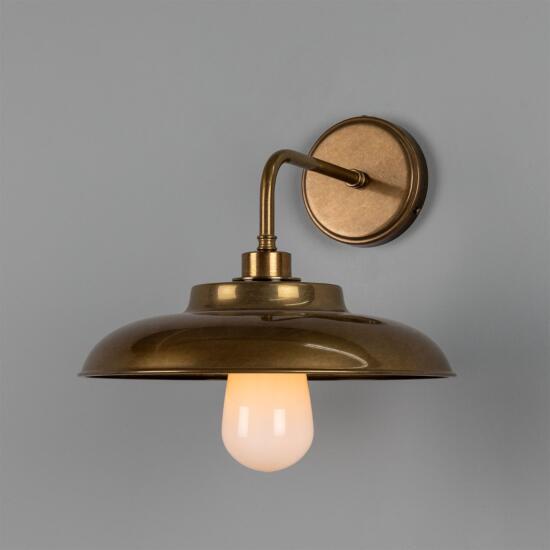
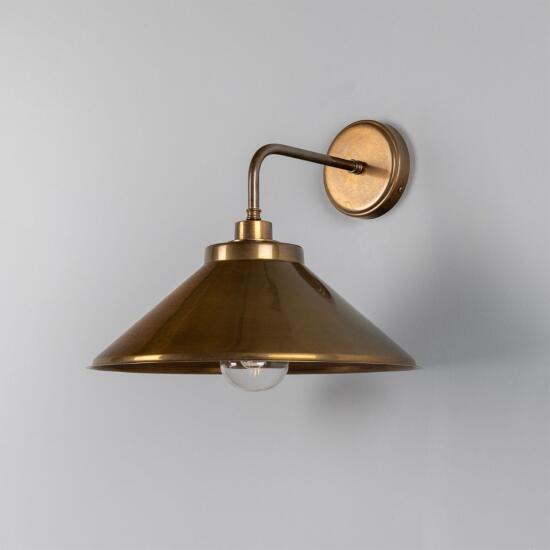
Natural brass is unlacquered and will gradually develop a patina outdoors. This change is part of the material and often works well beside brick, stone and planting.
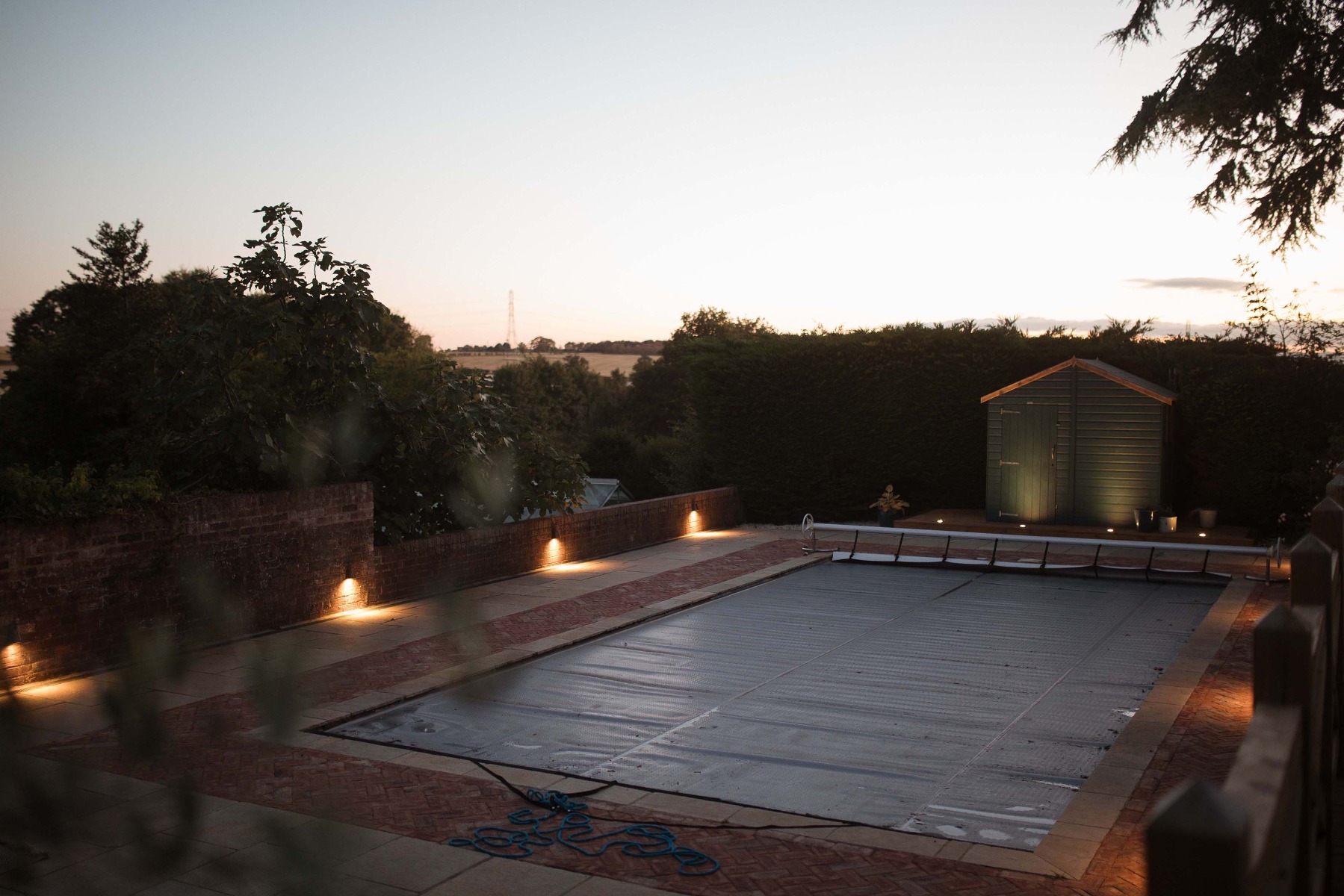
Antique brass has natural variation in its tone and surface. Suitable powder-coated finishes provide a more uniform colour and a durable outer layer.
Coastal and highly exposed settings need particular care. Salt in the air can affect some materials and finishes more quickly, so check the product guidance before ordering.
Not every decorative finish is intended for outdoor use, even when the fitting itself is available in several colours. The information on the individual product page should always take priority.
Installation and Maintenance
Hardwired outdoor lighting should be fitted by a qualified electrician. Correct installation helps maintain the fitting’s protection against moisture and dust, particularly around seals, cable entries and mounting points.
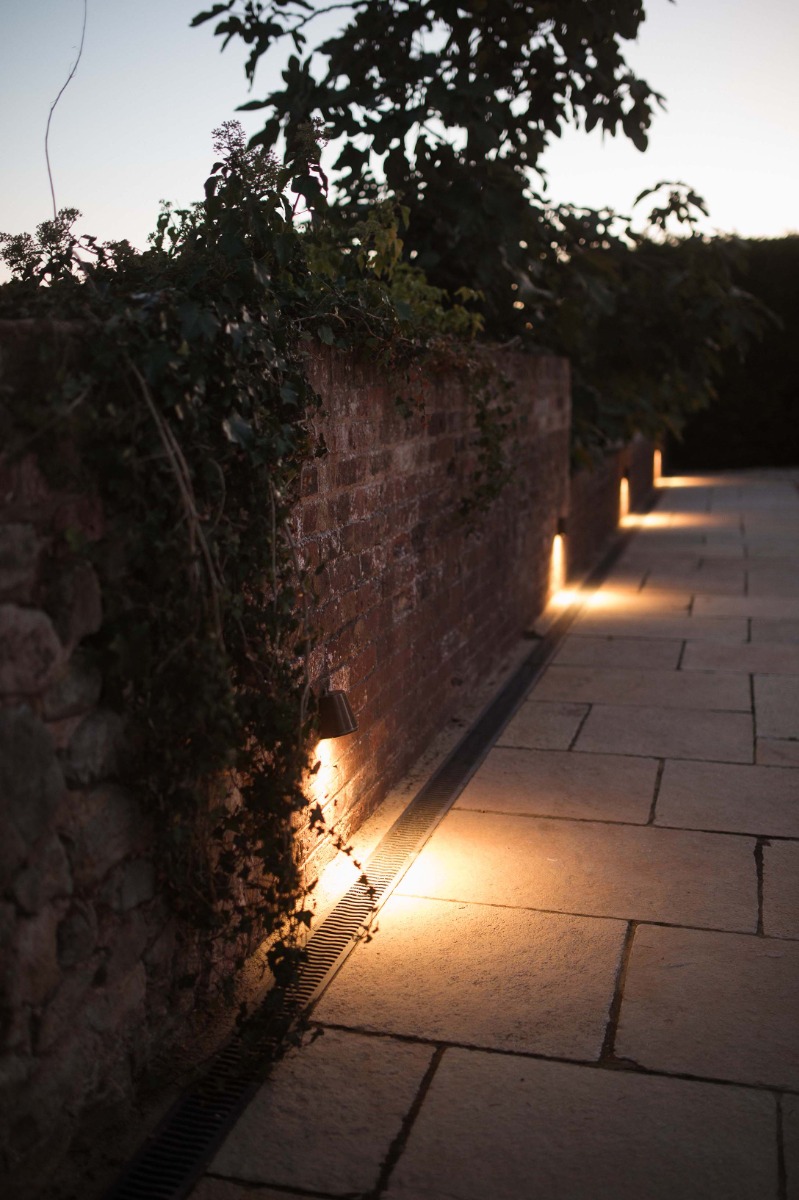
Outdoor lights also need occasional care:
- Clean glass and lenses to remove dirt and debris.
- Check seals and gaskets for visible wear.
- Trim plants that block the light or cover sensors.
- Adjust spotlights as trees and planting grow.
- Clean solar panels so they can charge properly.
- Use replacement bulbs with the correct type and wattage
Late summer is a good time to review the layout, when planting is often at its fullest. A light that worked well in spring may simply need to be cleaned, uncovered or redirected.
A Garden That Works After Dark
Begin with the places that need light for safety and daily use: paths, entrances, steps and seating areas. Then add a few accents to reveal planting, texture or architecture.
Keep the light warm, control glare and avoid illuminating the whole garden evenly. The areas left in shadow are part of the scheme too.
With a little planning, outdoor lighting can extend an evening without changing the character of the garden itself.
FAQ
What is the best way to light a garden?
Use different layers of light. Wall sconces and bulkhead lights can provide a general glow, bollards can help define paths, and spotlights can pick out trees, planting or architectural details.
What colour temperature is best outdoors?
Warm white light generally feels most comfortable in residential gardens, patios and entrance areas. Try to keep the colour temperature consistent across nearby fittings.
Should I use solar or hardwired lights?
Solar lights are flexible and easy to reposition. Hardwired fittings give a more dependable output and are better suited to frequently used areas. A combination of both can work well.
How should I light a garden path?
Place light around steps, corners and uneven areas rather than spacing fittings mechanically along the full route. Direct the light towards the ground and keep exposed bulbs out of view.
What IP rating does an outdoor light need?
The required rating depends on the fitting’s location and exposure to water. Check the individual product specification and ask a qualified electrician where there is any doubt.
Can I install outdoor lighting myself?
Simple solar or plug-in products may be suitable for DIY installation. Hardwired outdoor lighting should be installed by a qualified electrician in line with local requirements.