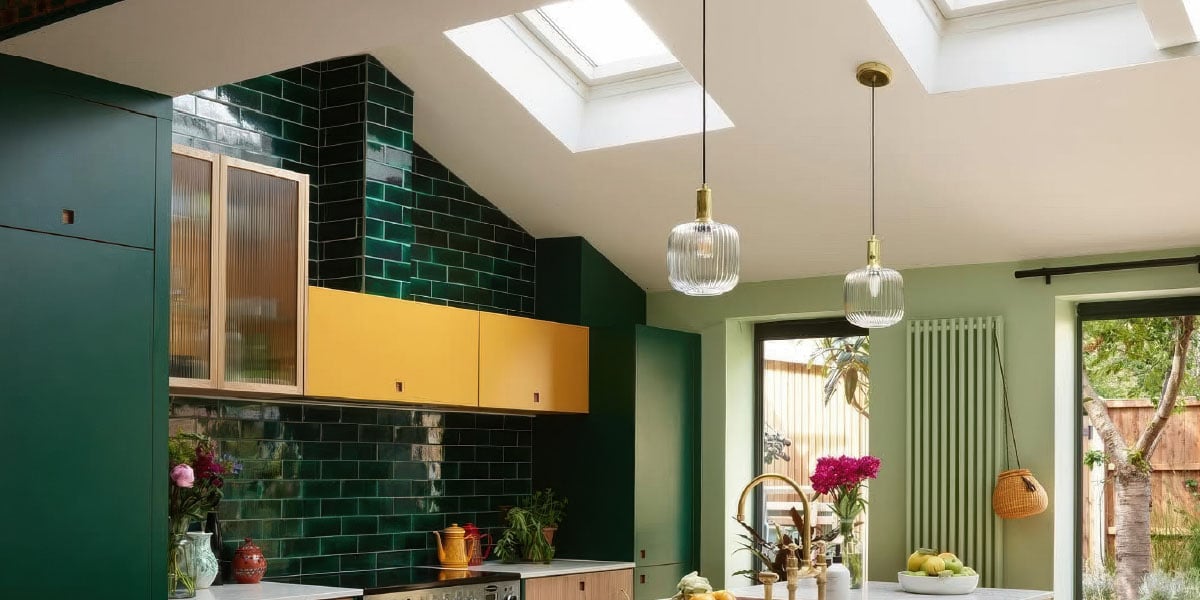
How to Light a Room with a Sloped or Vaulted Ceiling
Vaulted and sloped ceilings are one of the most striking architectural features in a home, bringing height, character and a greater sense of space. They can make a room feel larger and more open, but they also require a more considered lighting approach than a standard flat ceiling.
While the terms are often used interchangeably, there is a slight difference between the two. A cathedral ceiling usually has two equal sloping sides that meet at the centre of the roof, while a vaulted or sloped ceiling may rise on just one side or be supported by beams or arches. In both cases, the shape of the ceiling affects how light travels through the room and can create shadows, darker corners and uneven brightness if not planned carefully.
If you are wondering how to light a room with a sloped or vaulted ceiling, the key is to combine the right fittings with the right placement. Below, we break it down into five essential principles.
1. Embrace the Height
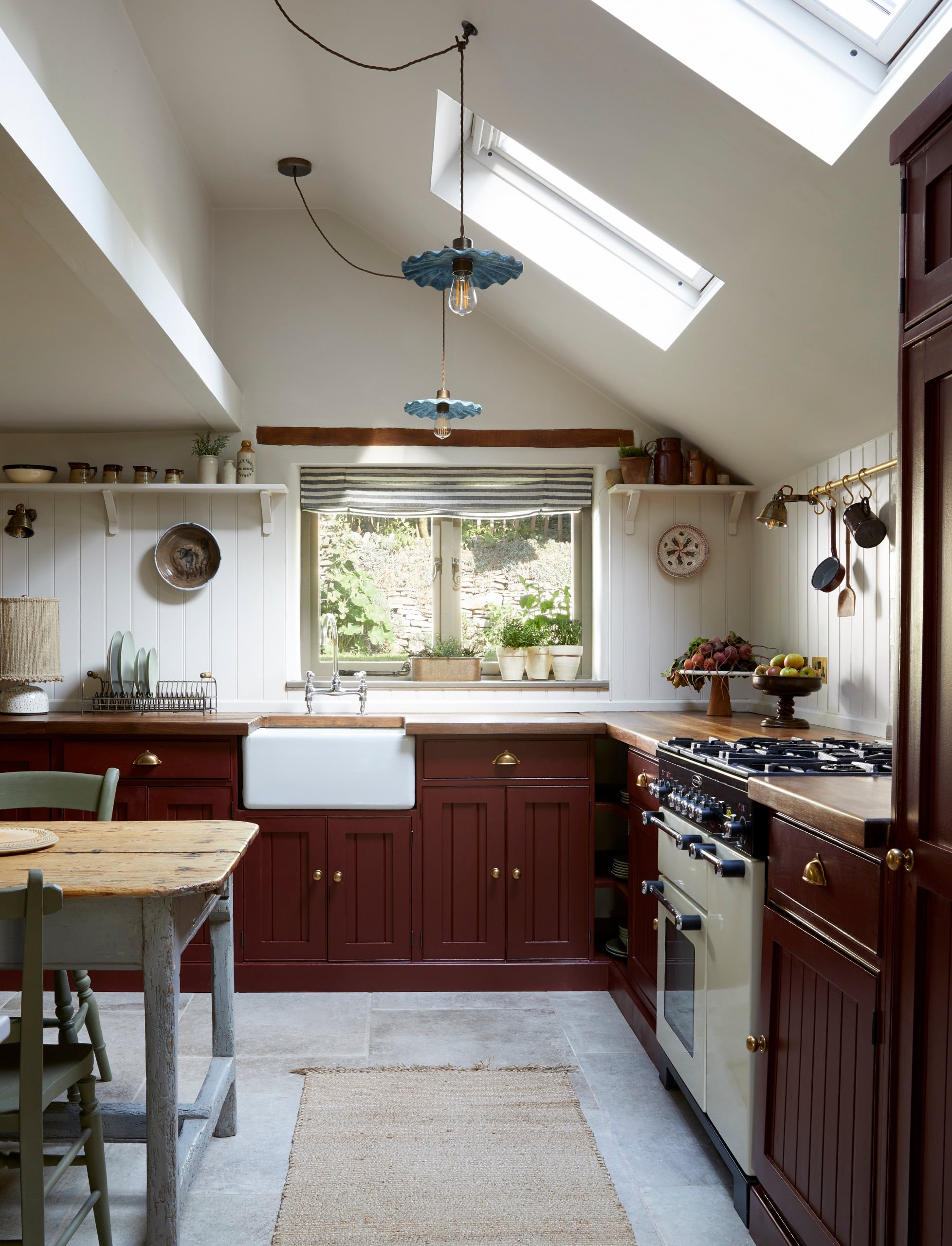
Credit: Studio Frey, @studio_frey
One of the most common mistakes when lighting a vaulted ceiling is underusing the height.
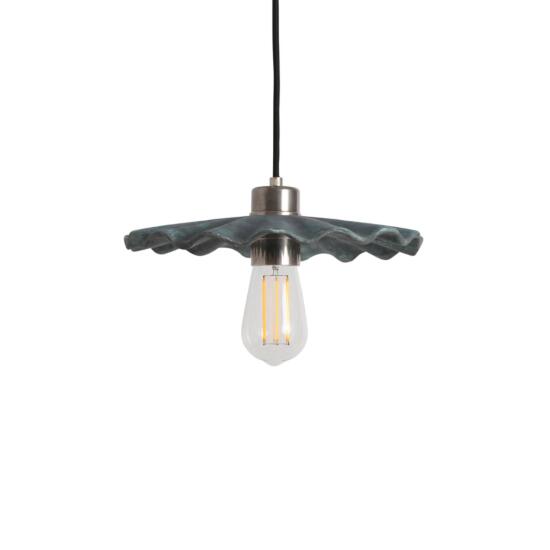
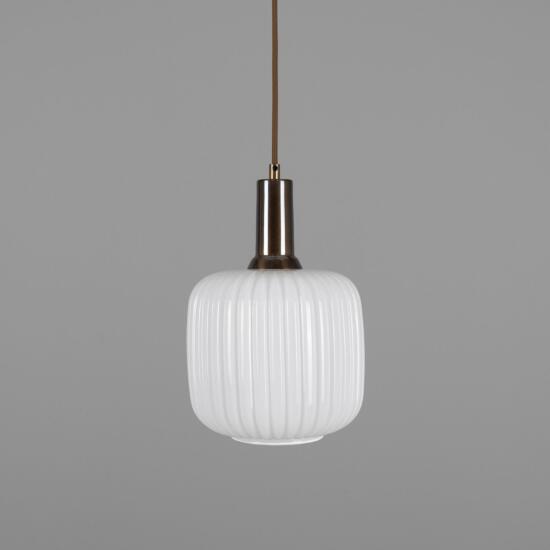
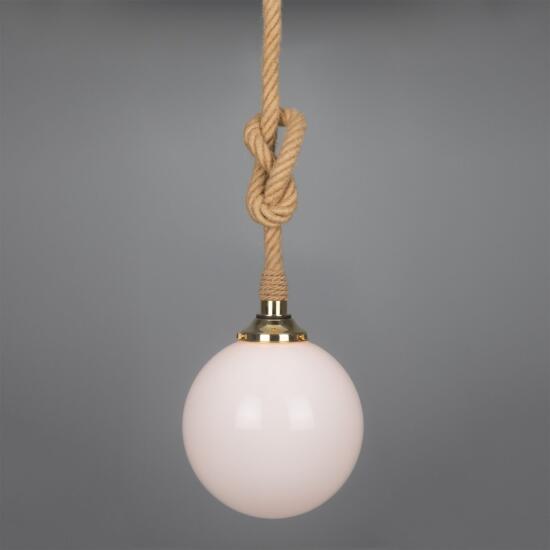
Rather than keeping lighting close to the ceiling, use the extra vertical space to create impact. Pendant lights and chandeliers are particularly effective in rooms with sloped or vaulted ceilings because they help anchor the space visually and draw the eye upwards. They also fill the volume of the room in a way that flush fittings cannot.
Depending on the look you want to achieve, you could extend the cable length for a more dramatic drop or position pendants lower along the slope for a more classic, balanced aesthetic. Vaulted ceilings offer the ideal opportunity to introduce statement lighting because of the additional head height available.
Some pendants require a ceiling adjustment to suit the angle of a slope. However, many modern pendant lights will still hang straight when the ceiling rose and cord grip are designed to accommodate this.
Pendant lighting also works particularly well alongside recessed ceiling lighting, helping to fill the extra space while adding a decorative focal point.
Installing pendants and chandeliers in a vaulted room
As an approximate guide, in a room with a standard ceiling height of around 2.4m (8ft), pendants should generally have around 2.1m (7ft) clearance between the base of the fitting and the floor.
In a room with a higher vaulted ceiling, you can increase this slightly—around 75mm (3 inches) for every additional 300mm (1ft) of ceiling height.
When hanging a group of pendants in a room with a sloped or vaulted ceiling, you may need to vary the drop lengths so that the base of each fitting sits at the same visual height from the floor. This often means shortening some cables or removing links from hanging chains.
A simple way to test proportion before installation is to use balloons and string to map out the shape and drop of each pendant.
2. Balance is Key
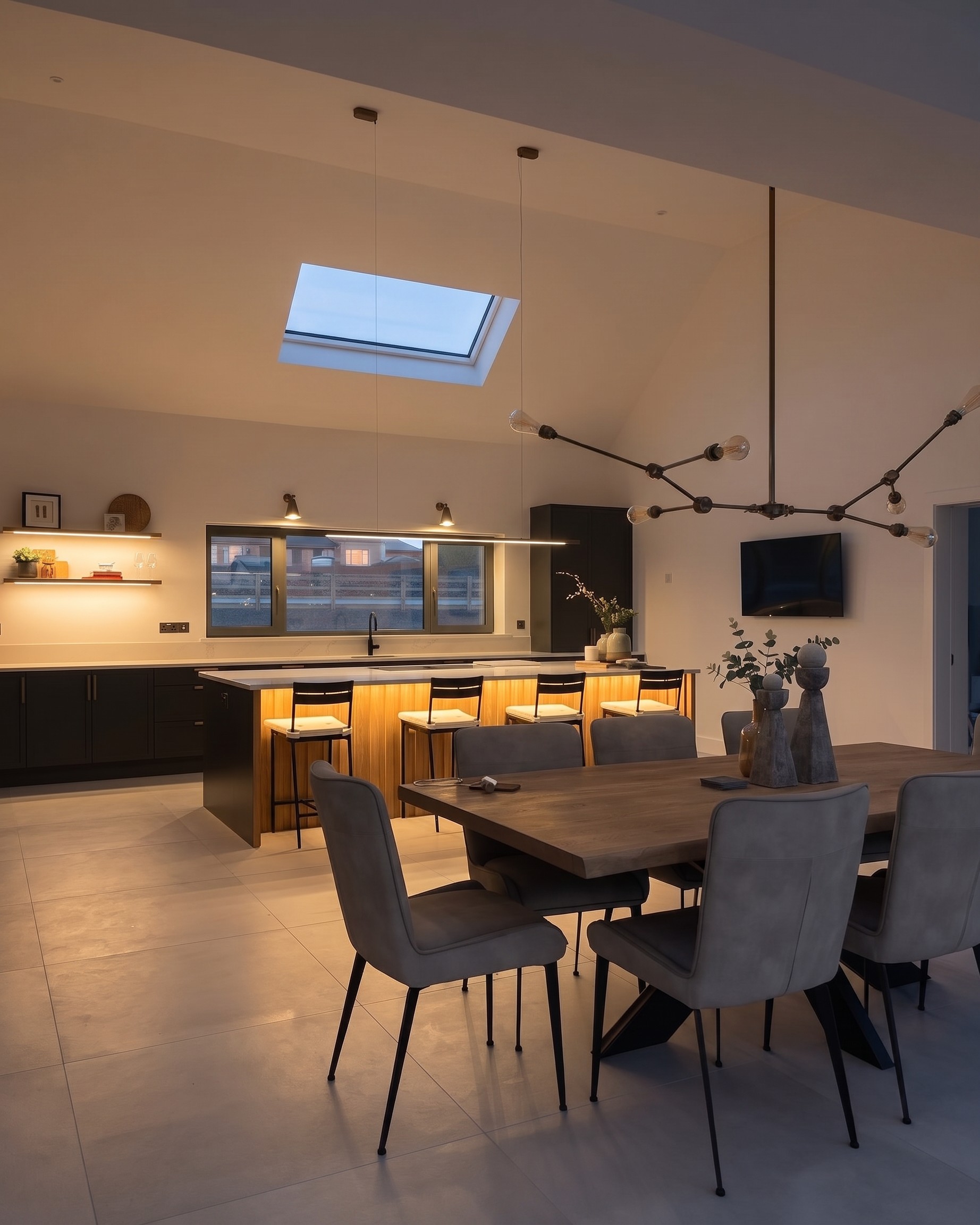
Credit: KM Electrical, @kylemonganelectrical
The most successful vaulted ceiling lighting schemes are rarely built around one fitting alone. Instead, they rely on a layered approach that combines ambient, task and accent lighting.
Recessed lighting and spot lights are often used as the main source of general illumination, especially in kitchens and open-plan spaces. They are practical and effective, but it is important not to overdo them. Too many spot lights can make a room feel clinical and take away from the architectural feature of the ceiling.
Your vaulted ceiling should be celebrated, not overcrowded.
As an approximate rule of thumb, recessed fittings are often positioned around 1m (3ft) away from the wall to help minimise harsh shadows, and around 1.2–1.8m (4–6ft) apart for a more even spread of light.
The exact spacing will depend on the size of the room, ceiling height and the beam angle of the fitting.
Directional recessed spot lights are particularly useful on sloped ceilings because they allow the beam to be aimed directly towards the floor rather than casting light awkwardly across the ceiling.
Track lighting can also be used as part of a layered scheme. It offers flexibility and allows you to direct light towards specific areas or features. However, it is best used to complement recessed lighting rather than replace it entirely.
3. Minimise Shadows
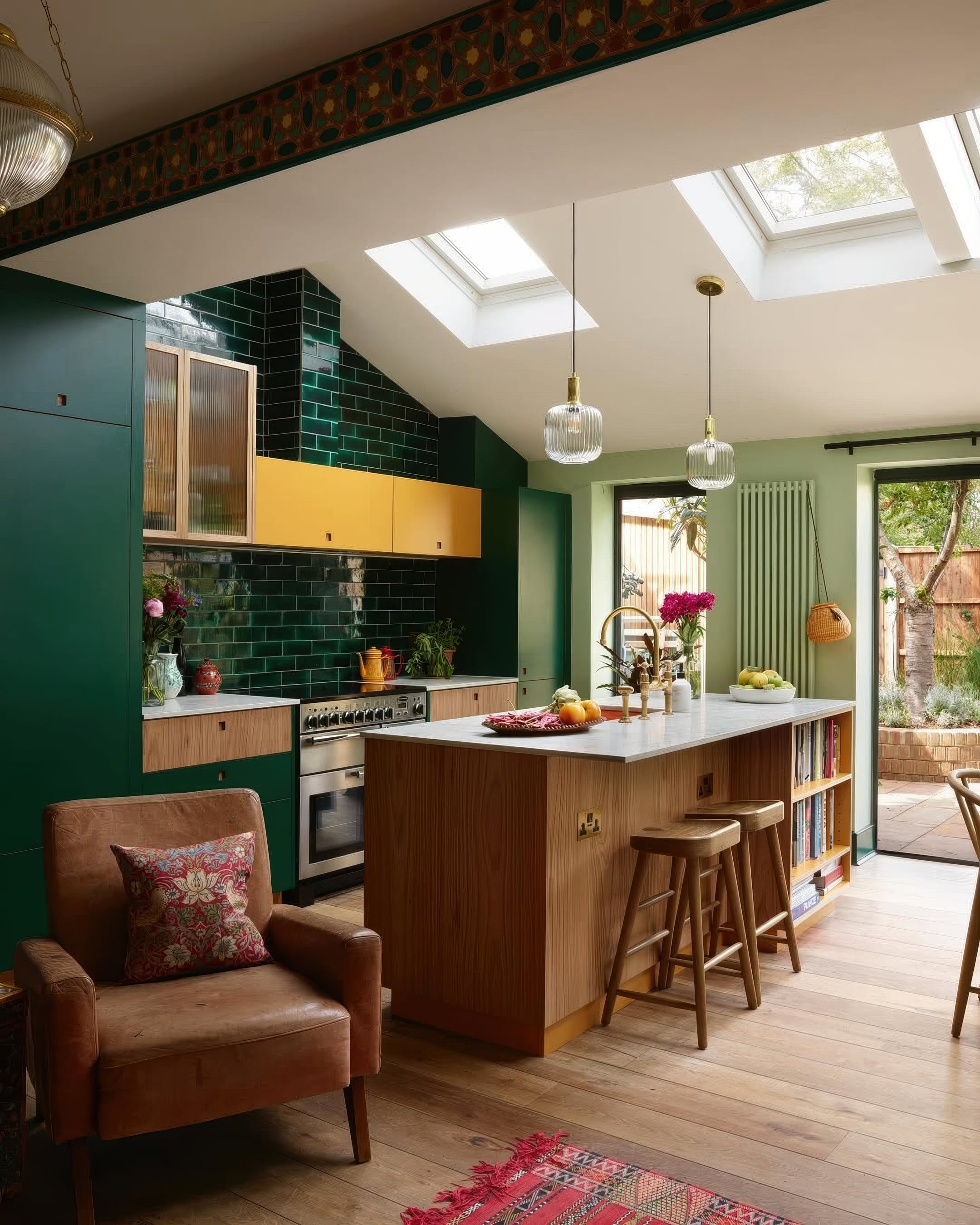
Credit: Pluck Kitchens, @pluckldn
Sloped ceilings naturally affect how light spreads, which can result in dark patches, overly bright areas and strong shadow lines.
To minimise shadows, avoid placing all of your lighting at the highest point of the ceiling. Instead, aim to distribute light across multiple levels within the room.
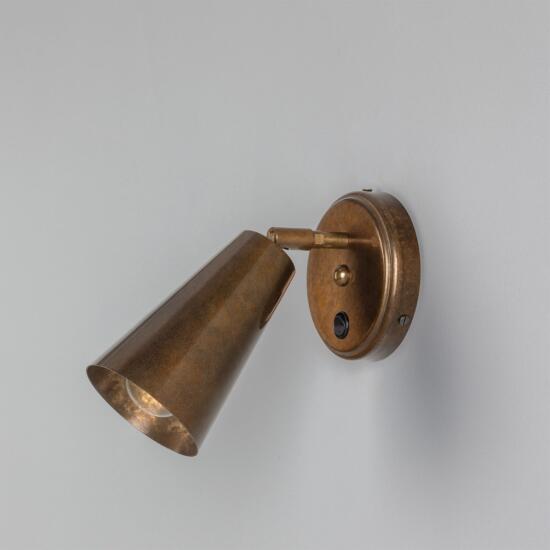
Wall lights and lamps are particularly valuable here. Wall lights provide additional illumination to darker areas and help soften the contrast between ceiling lighting and the rest of the space. They also add a decorative layer to vertical surfaces.
Placed above kitchen sinks, along seating areas, or beside accent furniture, wall lights can improve both function and atmosphere.
Table lamps and floor lamps also help introduce warmth at eye level, which is especially important in rooms with high ceilings where main fittings sit much higher up.
4. Distribute the Light
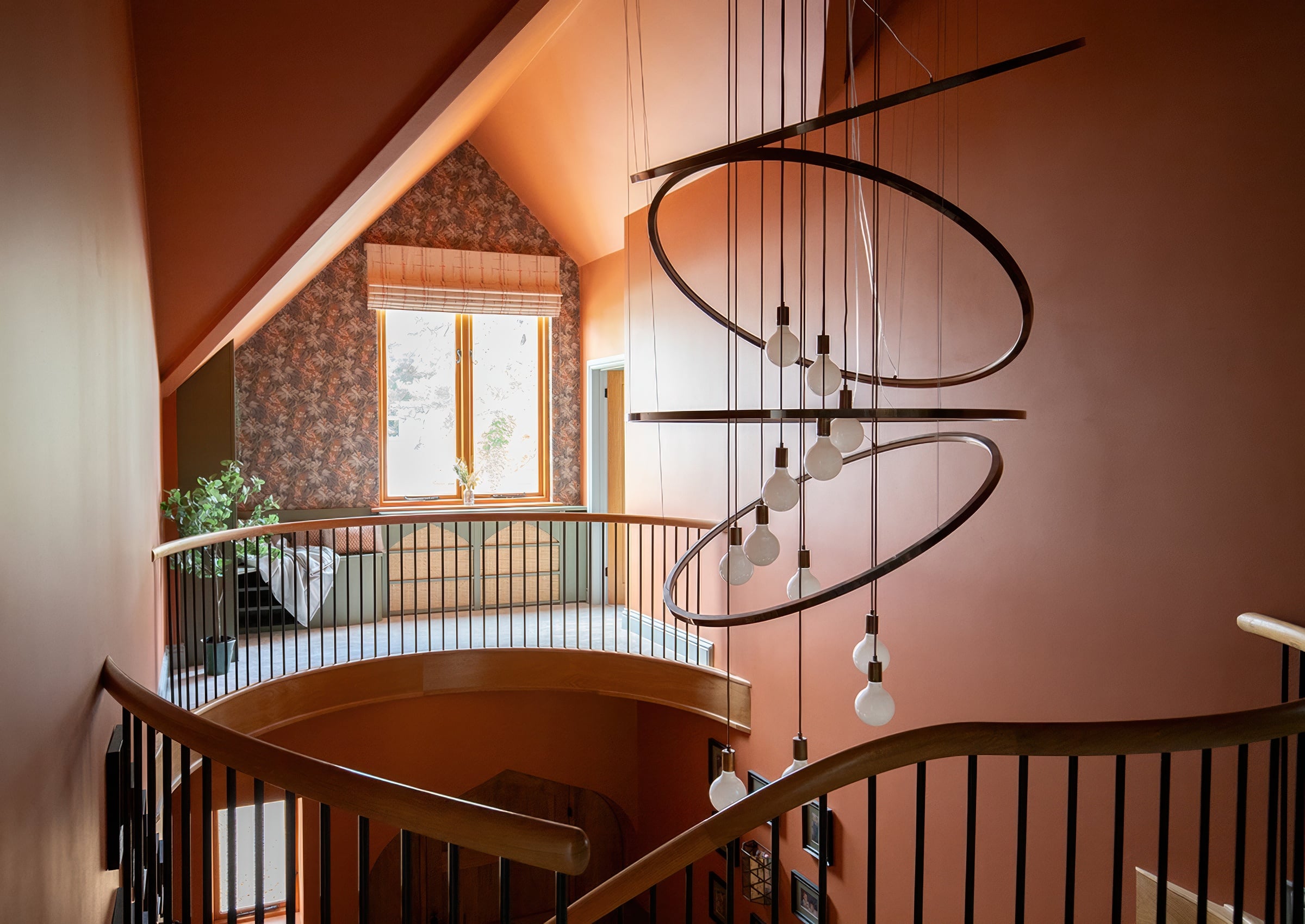
Credit: Louise Misell Interiors, @louise_m_interiors
In a vaulted room, placement matters just as much as the fittings themselves.
Ceilings that meet at an apex can be particularly challenging because a ceiling rose cannot always be installed directly at the peak.
One solution is to use a canopy box, which creates a flat, horizontal fixing point at the apex from which a pendant or chandelier can be suspended. This is typically something that needs to be planned early in a build or renovation.
Another option is the hang-and-drop technique. This involves installing the ceiling rose on the slope and using a hook at the apex to guide the cable or chain so that the fitting hangs centrally. This same approach can also be used when installing clusters of pendants.
It is also worth considering the surrounding walls. In some cases, light fittings can be mounted on the wall and suspended across the space using ceiling hooks, allowing pendants to hang directly over a dining table or seating area without disrupting the ceiling structure.
5. And Finally – Know Your Space
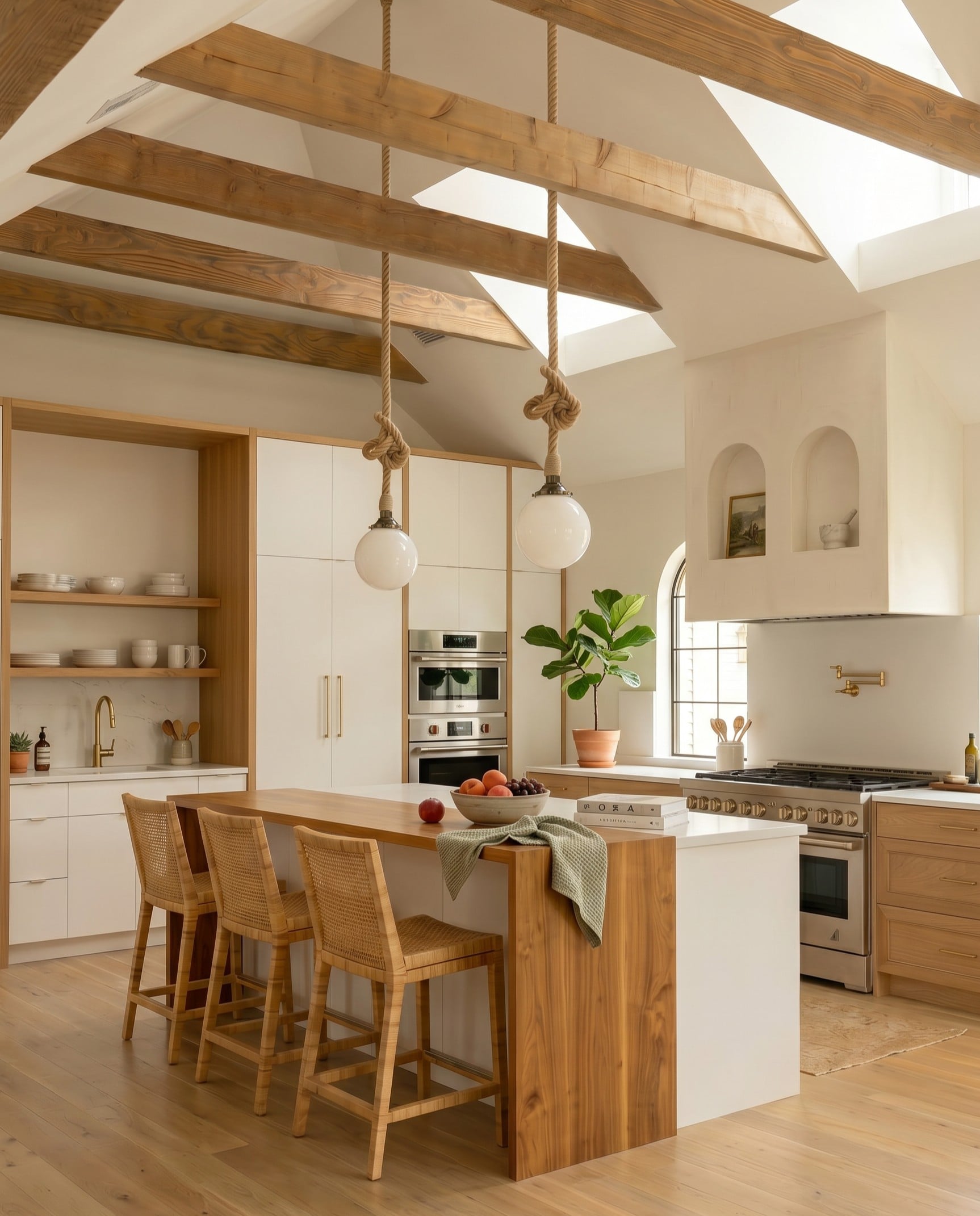
Every vaulted room is different, so your lighting scheme should reflect how the space is used.
Think about how much light you need
Consider the activities that take place in the room. Kitchens and dining areas may require brighter task lighting, while living rooms and bedrooms benefit from softer, layered lighting.
Keep colour temperature consistent
Lighting colour has a significant impact on how a space feels. In most residential interiors, a warm white light is the most comfortable choice.
Avoid mixing very different colour temperatures. For example, combining one fitting at 5000K with another at 3000K can create a harsh imbalance. As a general guide, try to keep your lighting within around 500K of each other, such as 3000K and 3500K.
Use dimmers where possible
Dimmers are particularly useful in rooms with vaulted ceilings, as they allow you to adjust brightness depending on the time of day and the atmosphere you want to create.
For example, you may want brighter lighting during the day and a softer, more ambient setting in the evening.
Final Thoughts
Lighting a room with a sloped or vaulted ceiling is about working with the architecture rather than against it.
By embracing the height, balancing your lighting, minimising shadows and carefully distributing light throughout the space, you can create a scheme that feels both functional and visually refined.
It is always worth taking time over the lighting plan. Ceiling fixtures such as recessed lights, pendants and chandeliers should ideally be decided early in the design or construction process. Lamps can be introduced later once the room has taken shape.
With the right approach, a vaulted ceiling can become one of the most impressive and enjoyable features in your home.
FAQ: Lighting Sloped & Vaulted Ceilings
What is the best lighting for a vaulted ceiling?
A layered lighting scheme usually works best, combining pendant lights or chandeliers with recessed lighting, wall lights and lamps.
Can you use recessed lighting on a sloped ceiling?
Yes. Adjustable or directional recessed lights are especially useful because they allow you to direct the beam where it is needed.
How far apart should recessed lights be in a vaulted ceiling?
As an approximate guide, recessed lights are often spaced around 1.2–1.8m (4–6ft) apart and around 1m (3ft) from the wall.
How low should pendant lights hang in a vaulted ceiling?
Around 2.1m (7ft) from the floor to the base of the fitting, adjusted slightly depending on ceiling height.
Is track lighting suitable for sloped ceilings?
Yes. Track lighting works well because it allows you to direct light to specific areas.
Do vaulted ceilings need more light than standard ceilings?
Often, yes. The increased height means light has further to travel, so a layered approach is usually needed.
Are wall lights useful in a room with a vaulted ceiling?
Yes. Wall lights help balance light levels, reduce shadows and add warmth to the space.