Cosy Autumn Atmosphere: Creating Warmth with Layered Lighting
As daylight fades earlier in autumn, artificial lighting starts to play a bigger role in how a room is used. A living room that feels bright enough at 4pm can feel flat or overly lit once darkness falls. In restaurants and hotels, the same change can affect how comfortable a dining area, lounge or guest room feels in the evening.
The answer is rarely to add more light. It is usually to use several sources at different heights, with enough variation between brighter working areas and softer background light.
Here are some practical ways to build a warmer lighting scheme for autumn using ceiling lights, wall lights, lamps and ceramic lighting.
Make the Transition into Evening Gradual
Autumn daylight is lower and disappears earlier, so it helps to think about the period between daylight and darkness rather than waiting until the room is completely dark.
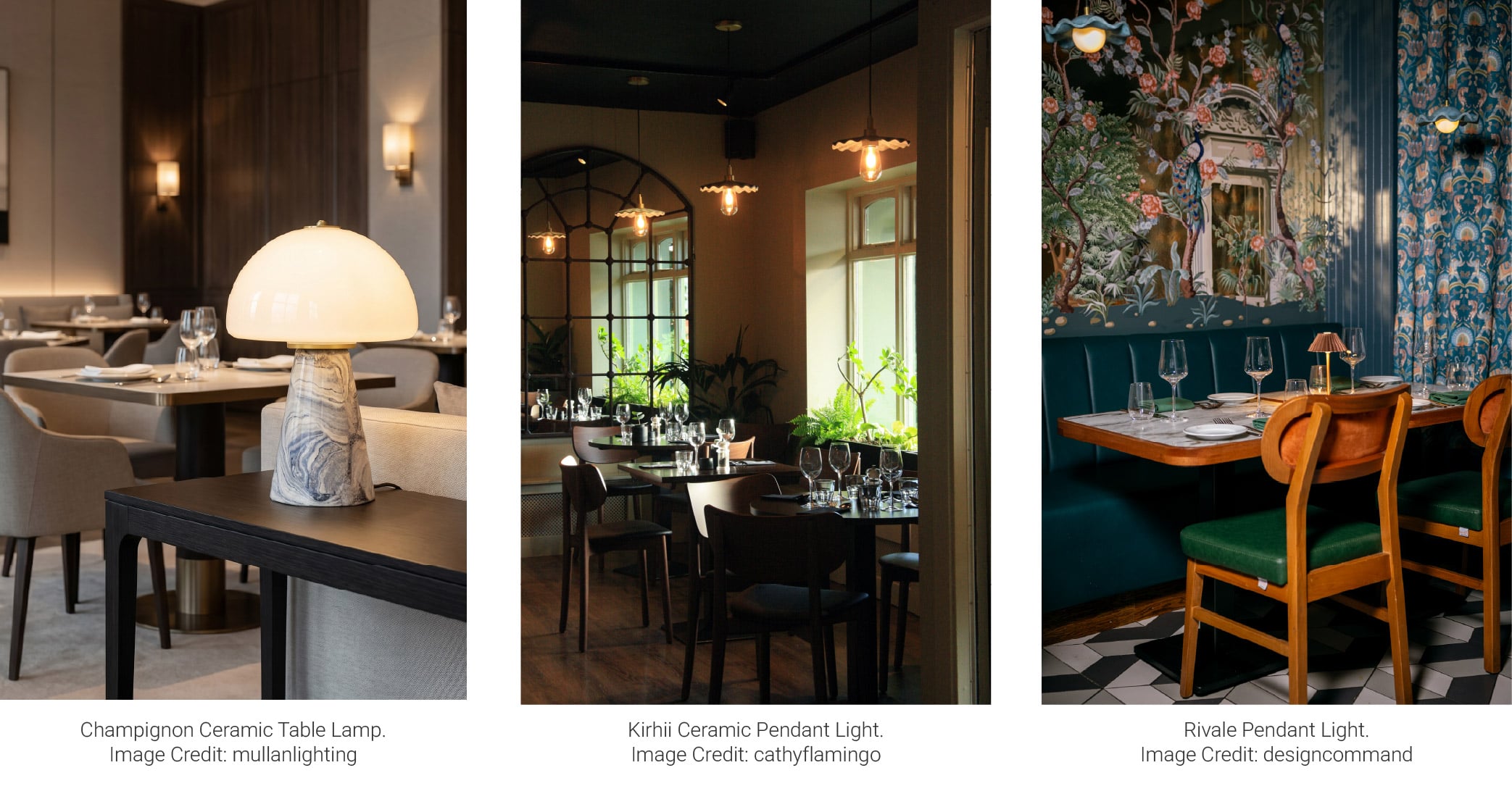
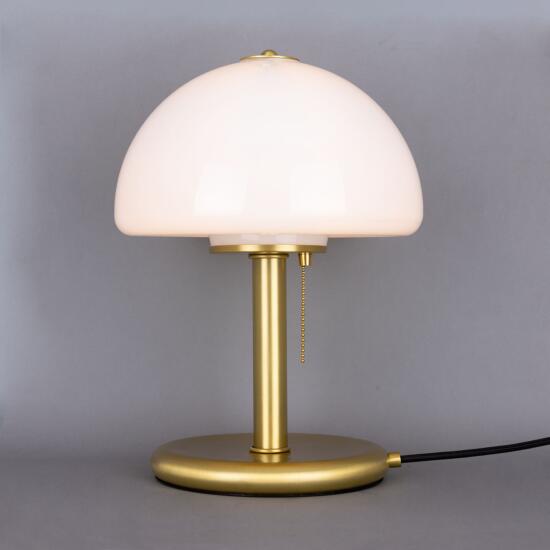
Turning on a table lamp or wall light in the late afternoon can make this transition feel much more natural. As daylight drops, additional lights can then be introduced where they are needed.
Dimming is particularly useful here. Instead of relying on one ceiling light at full output, separate circuits and dimmable fittings allow the lighting level to change through the evening.
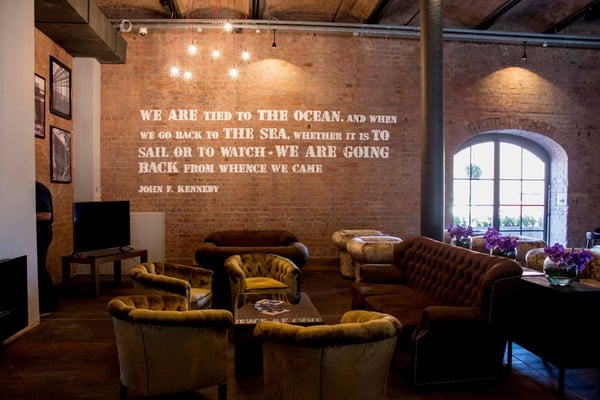
The same principle applies in hospitality spaces. Restaurants, hotel lounges and bars can use separate lighting zones to reduce overall brightness as natural light fades while retaining enough illumination on tables, circulation routes and service areas.
Move Beyond the ‘Big Light’
A single central ceiling light has to do a difficult job. If it is bright enough to illuminate an entire room, it can leave the space feeling flat and create glare in the evening.
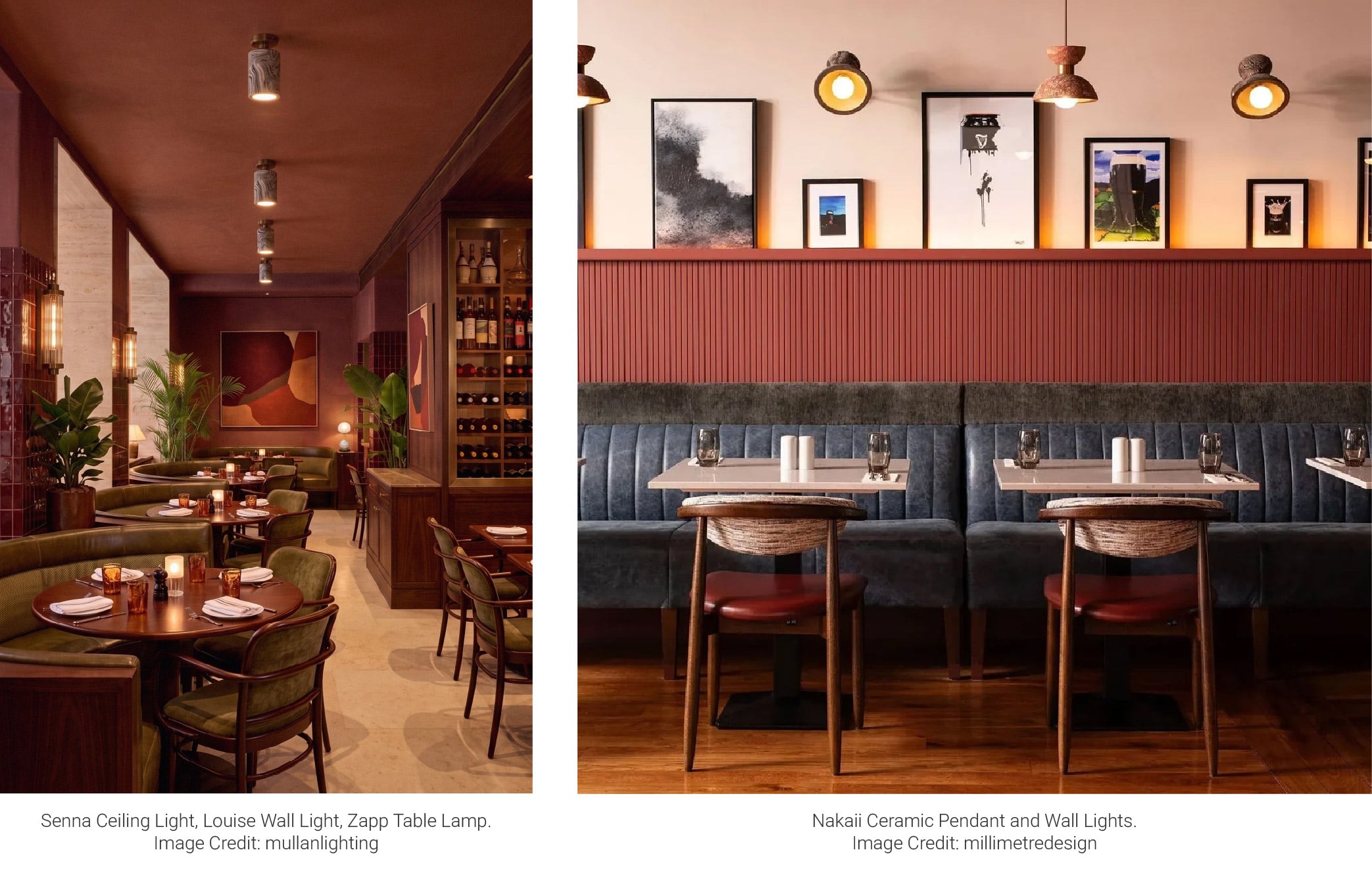
Layered lighting spreads that work between several sources:
- Ambient lighting provides the general background level of light. This might come from wall lights, lamps or indirect architectural lighting.
- Task lighting puts more light where an activity requires it, such as above a kitchen island, beside a reading chair or over a dining table.
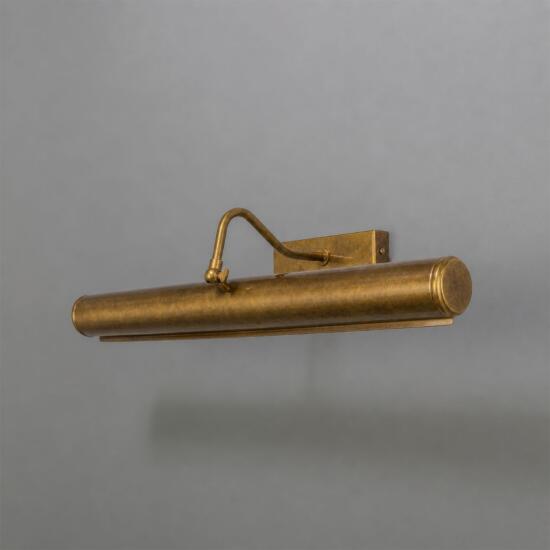
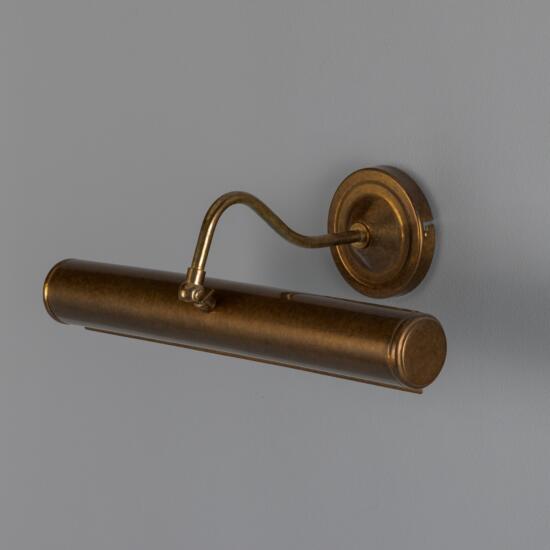
- Accent lighting can be used selectively on artwork, shelving, architectural details or textured surfaces.
These sources do not all need to produce the same amount of light. Small pools of illumination around seating areas, tables and walls can sit alongside darker areas of the room. That contrast gives the interior greater depth than uniform overhead lighting.
Warm-white lamps can also help during the evening. For residential and hospitality settings, colour temperature should be selected alongside the materials, finishes and amount of natural light in the room rather than treated in isolation.
Use Ceiling Lights to Define Areas
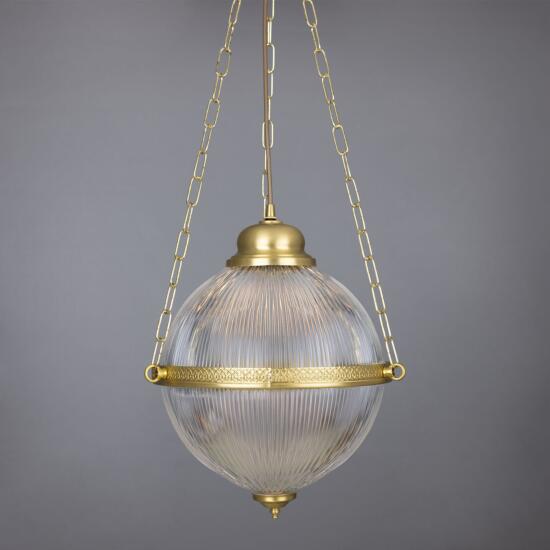
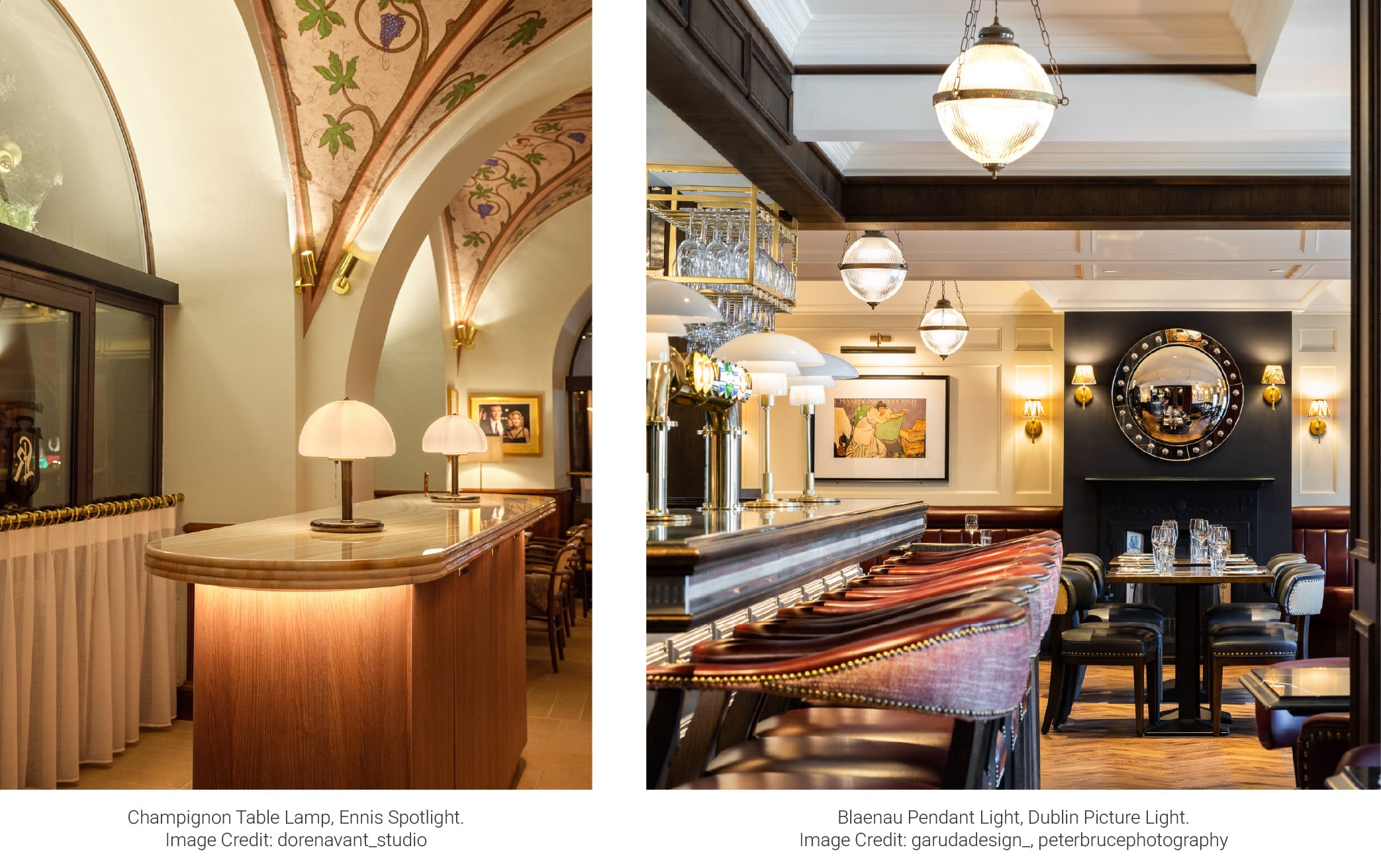
Pendant lights, chandeliers and flush ceiling lights can provide general illumination, but their position and scale also help organise a room.
In Residential Spaces
Above a dining table, a pendant can put light directly where it is needed while allowing the rest of the room to remain at a lower level. The hanging height matters: it should feel connected to the table without obstructing sightlines or creating glare.
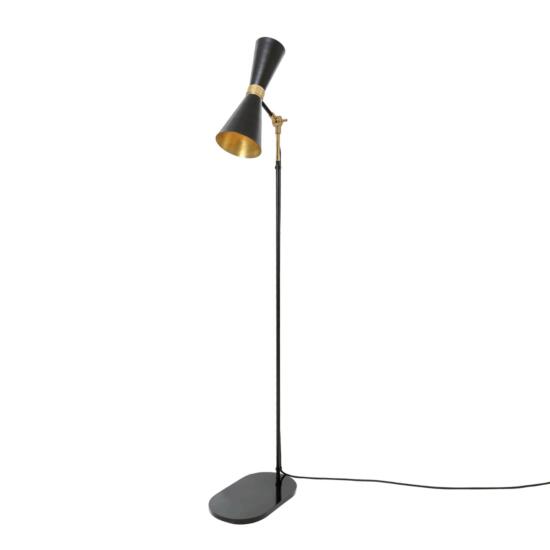
In living rooms, ceiling lighting works better when it is supported by lower-level sources such as wall lights, table lamps or floor lamps. This means the ceiling fitting does not have to illuminate every corner on its own.
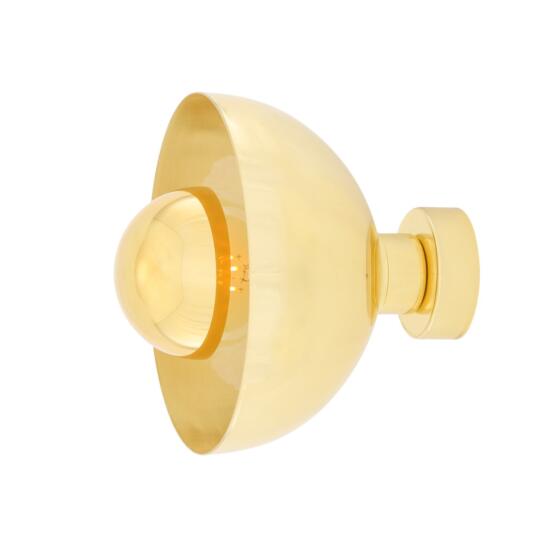
Metal finishes can also affect how a fitting sits in the room. Polished brass has a brighter, more reflective surface, while satin or antique brass has a lower sheen. Darker finishes can give stronger contrast against pale ceilings and walls.
In Hotels and Restaurants
In larger hospitality spaces, pendants can help define individual seating and dining areas without adding physical partitions.
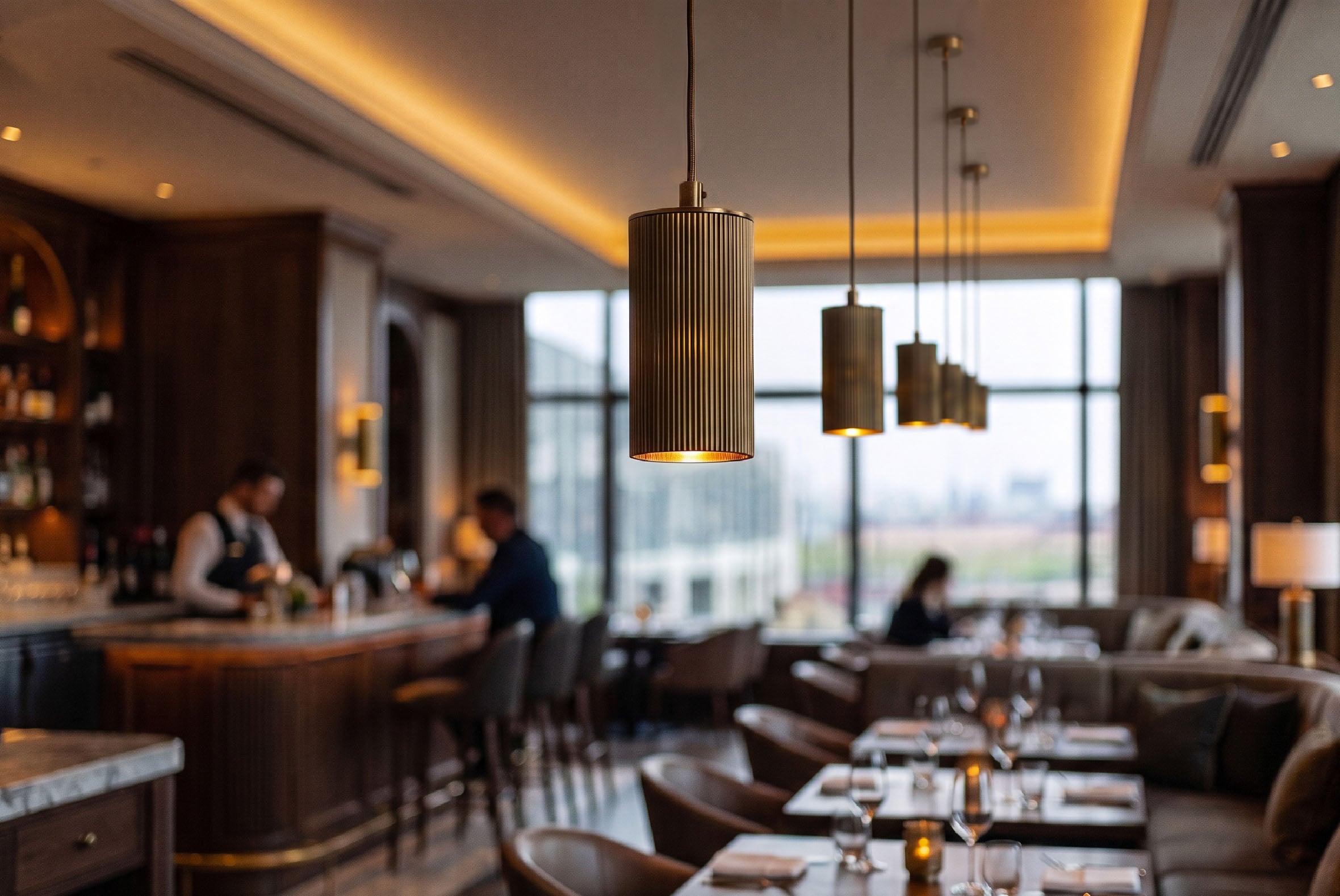
A lower pendant above a table creates a clear pool of light at table level. Repeating this approach across a restaurant can make a large room feel more comfortably scaled while still leaving open circulation between tables.
Spacing is important. Pendants should relate to the size and position of the tables below rather than being arranged solely according to the ceiling grid.
Bring Light onto the Walls
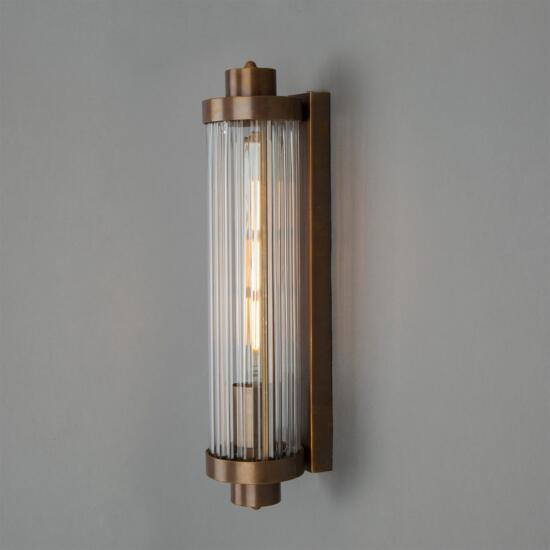
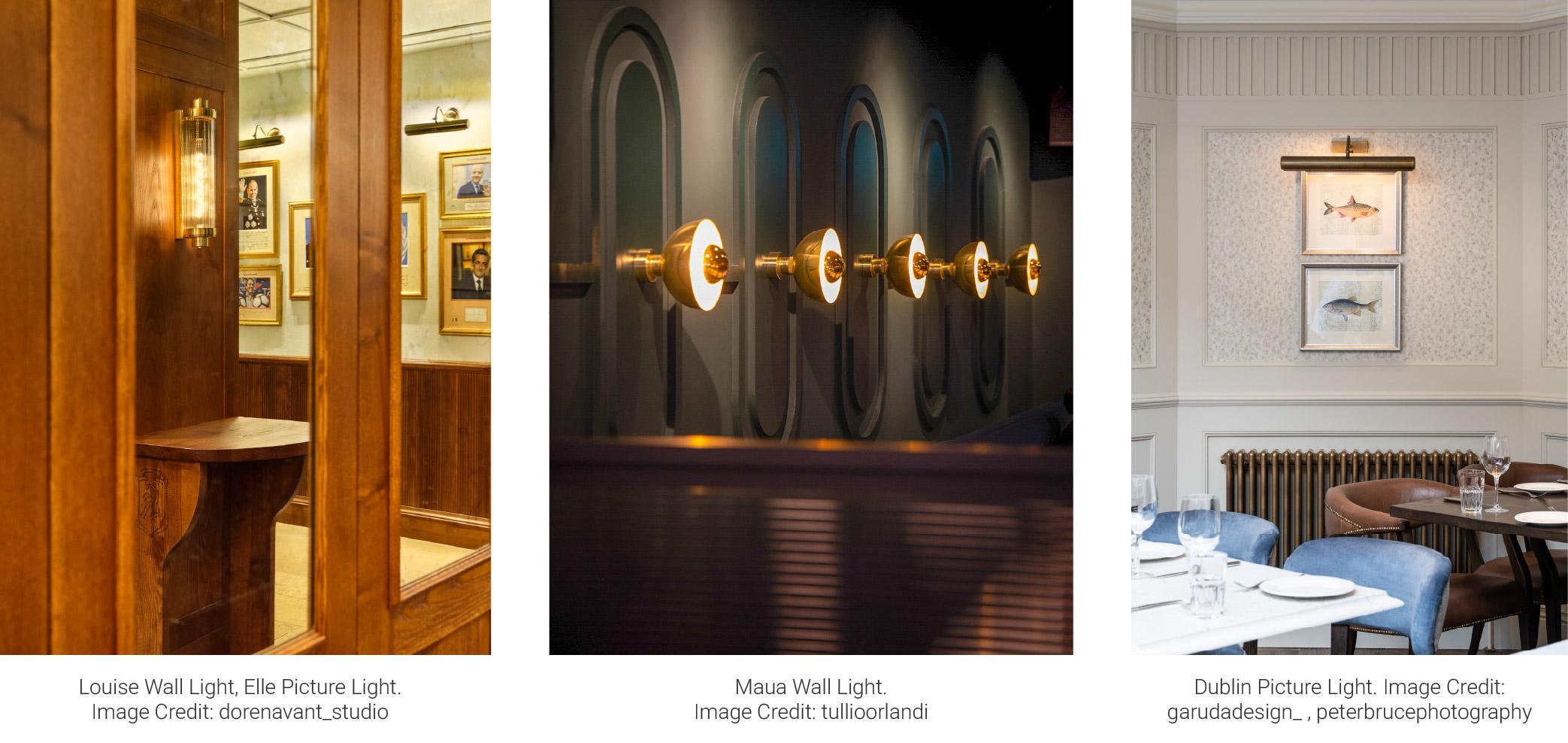
Wall lights are particularly useful in autumn because they add illumination at eye level rather than concentrating everything at the ceiling.
They can also reveal the material of a wall. Brick, timber, plaster and patterned surfaces respond differently depending on the position and direction of the light.
A fitting that throws light upwards and downwards creates visible shapes of light on the wall. A light positioned close to a textured surface can create a grazing effect, bringing out its relief through small areas of light and shadow. A broader wall-washing treatment gives a more even spread.
Wall lights also work well in places where table or floor space is limited. They can provide bedside lighting, illuminate hallways or add another layer to restaurant booths and hotel seating areas.
The important point is to consider glare. A wall light seen directly at eye level needs to shield or soften the light source appropriately for its position.
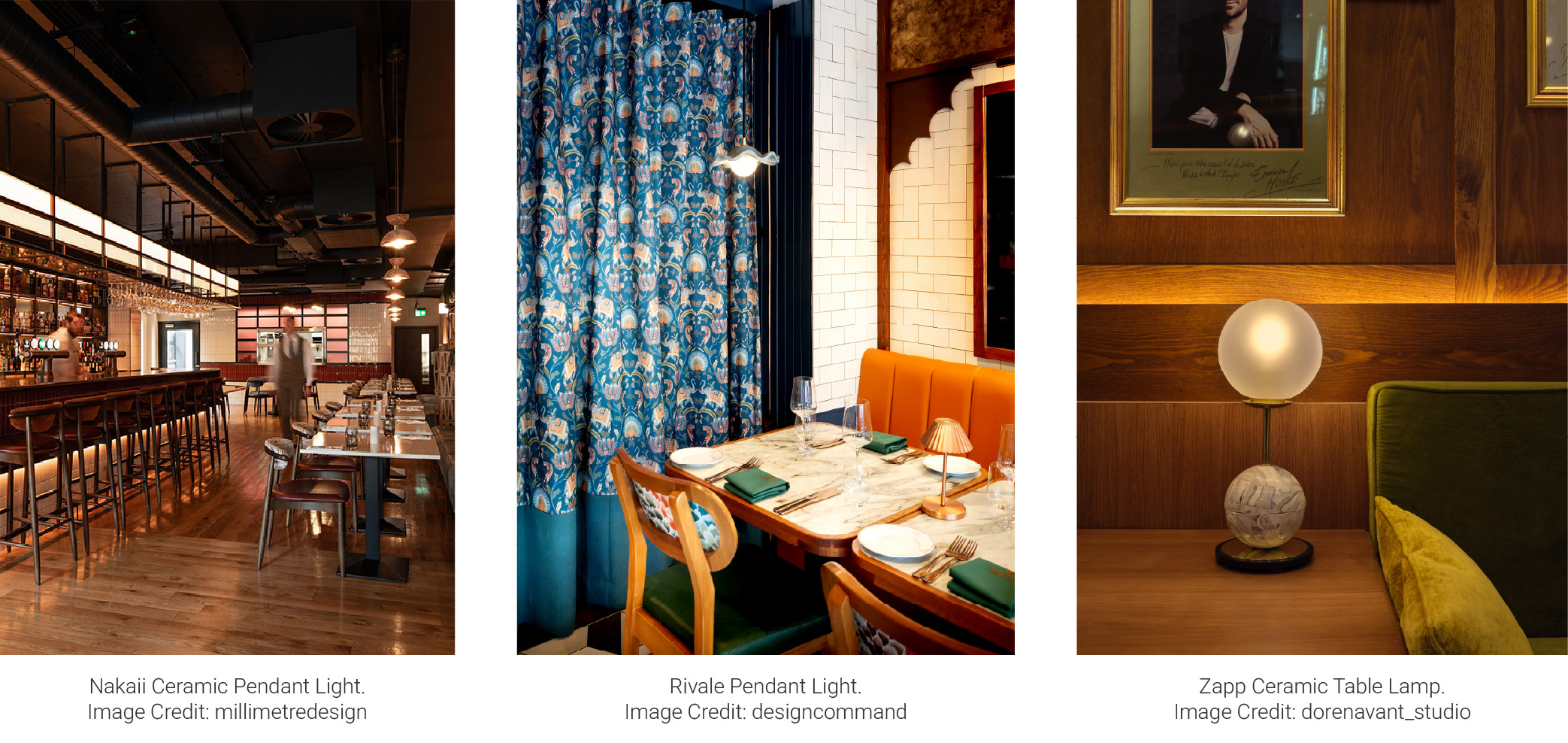
Add Material Texture with Ceramic Lighting
Ceramic lighting brings a different surface quality to a scheme dominated by painted walls, timber, glass and metal.
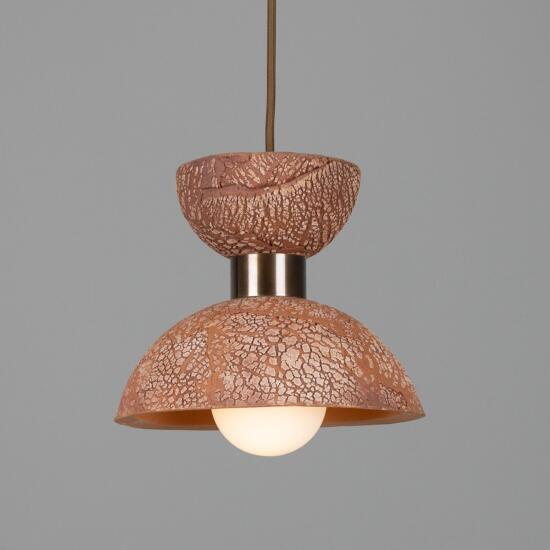
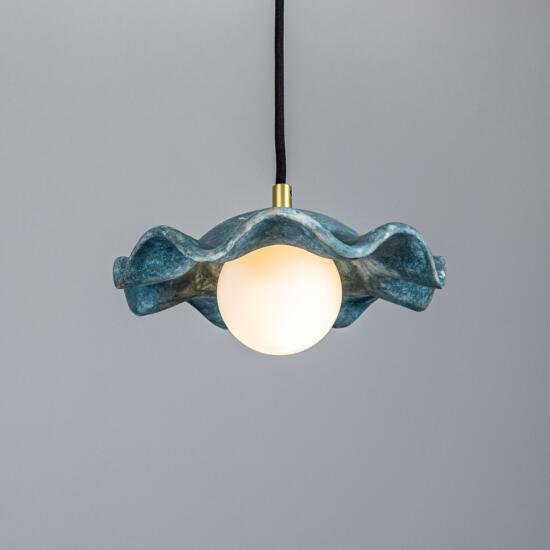
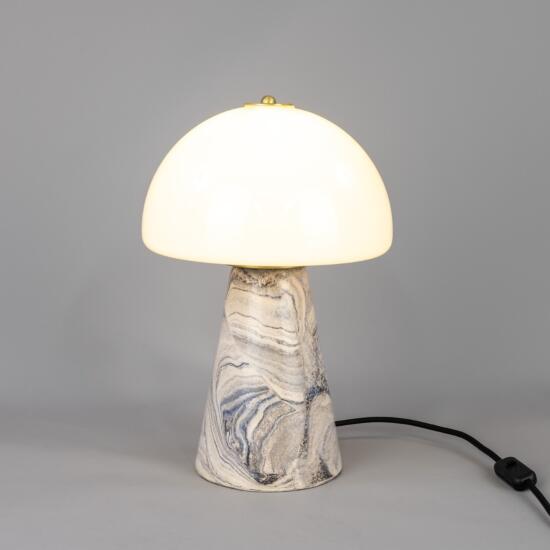
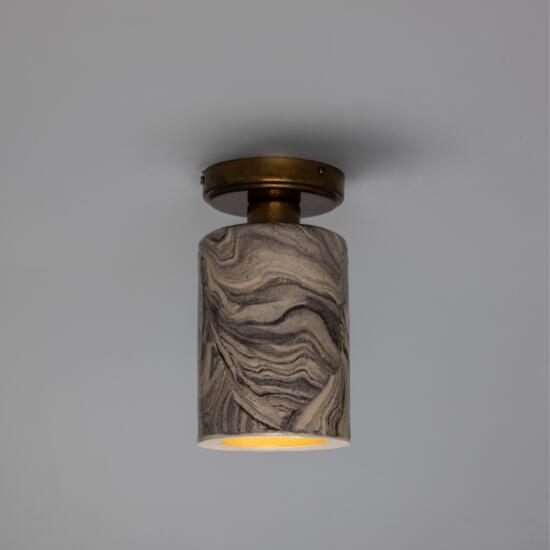
At Mullan Lighting, ceramic components are handmade, so small variations in surface and finish are part of the material. This can work particularly well in autumn schemes, where warmer colours and natural materials tend to become more noticeable as daylight levels fall.
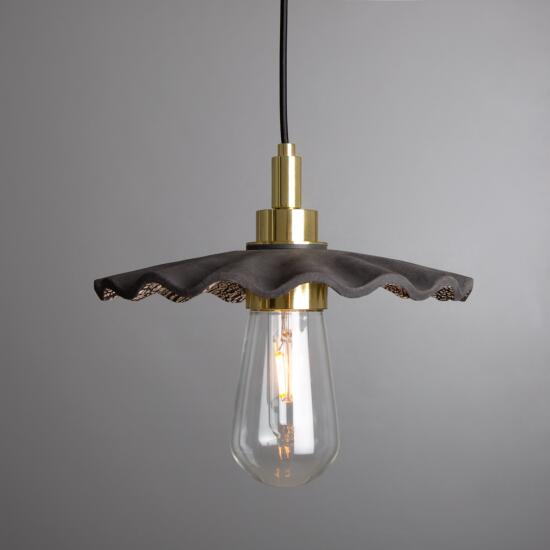
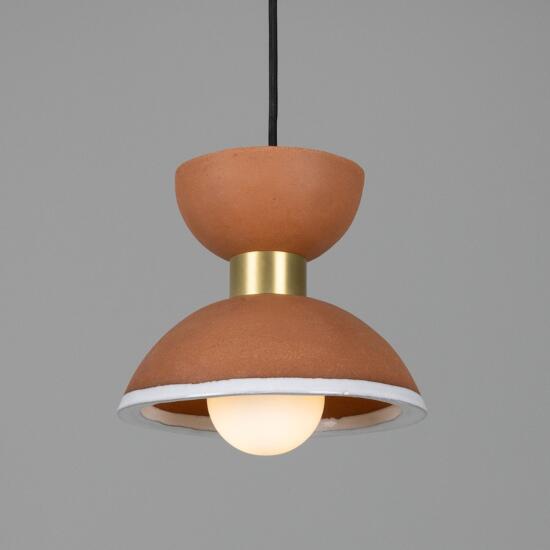
Ceramic shades are generally opaque, so the form of the shade determines where the light is directed. A downward-facing ceramic pendant, for example, can concentrate light onto a kitchen island or dining table while leaving the surrounding area softer.
Using Ceramic Lighting at Home
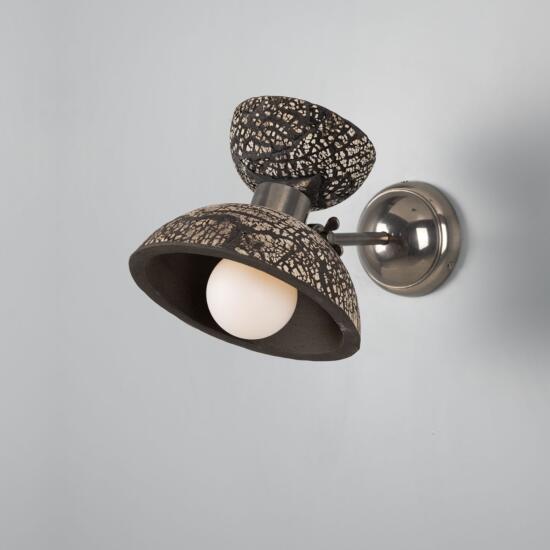
Ceramic wall lights can add another material to entrance halls, bedrooms and living spaces without taking up floor or table space.
Over a kitchen island or dining table, ceramic pendant lights can also provide useful task lighting. Their scale and spacing should be determined by the size of the surface below rather than by a fixed rule.
In Hotels
Ceramic wall lights can work beside beds, along corridors or around seating areas where a softer layer of light is needed.
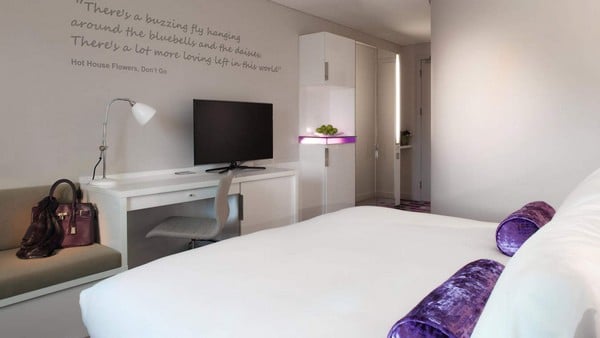
In guest rooms, it is useful to combine them with separate task lighting so guests can control bedside, general and reading light independently.
In Restaurants and Cafés
Ceramic pendants can be suspended above individual tables to create defined pools of light. Keeping the light concentrated on the tabletop can help food, glassware and table settings remain clearly visible while allowing surrounding areas to sit at a lower light level.
The pendant height needs to work with the table size and seating layout so that diners can see comfortably across the table.
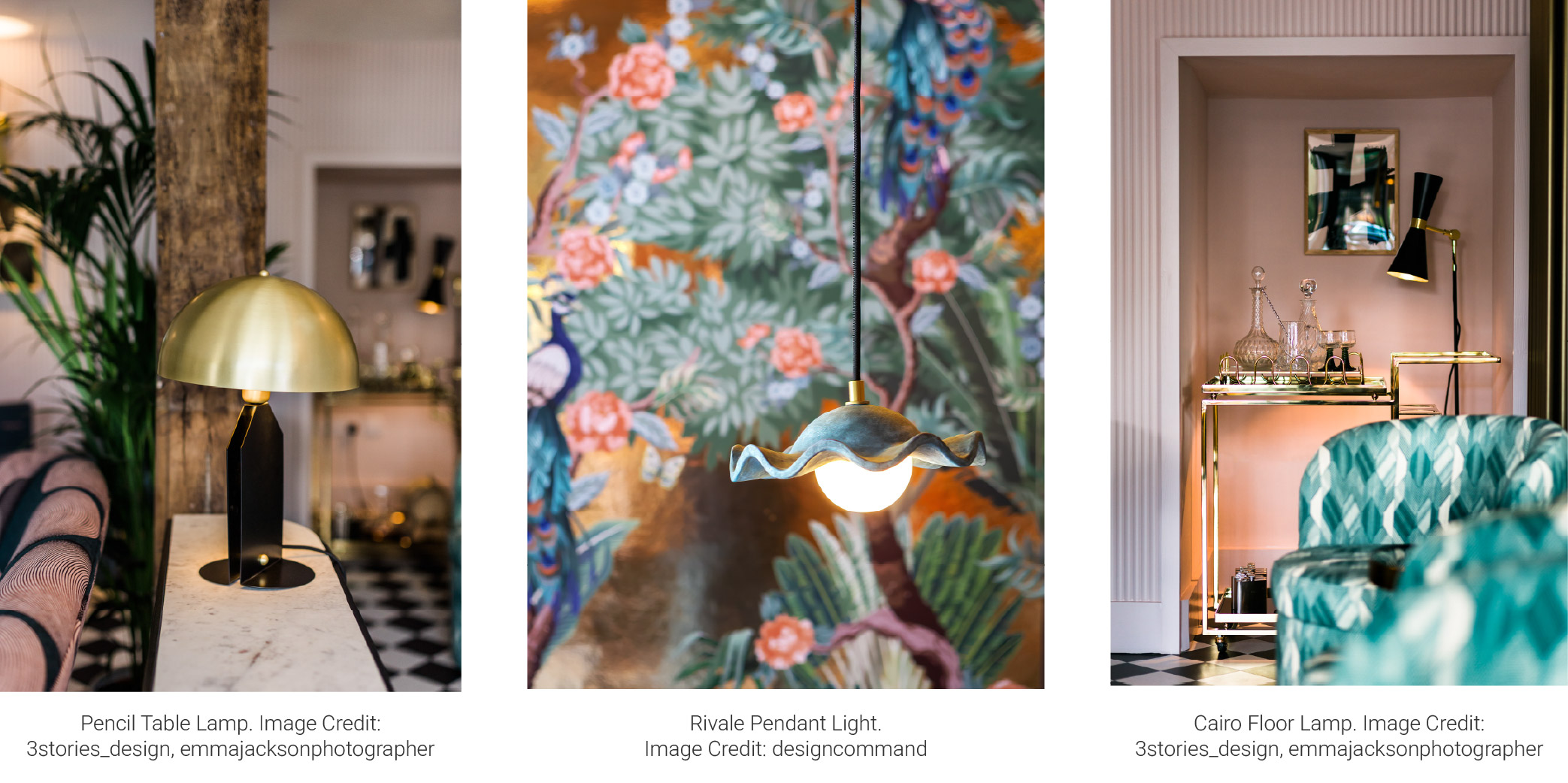
Designing for Longer Evenings
Good autumn lighting is less about making a room brighter and more about deciding where light is actually needed.
Start with the activities taking place in the room. Give working surfaces and circulation routes enough illumination, then add lower-level light around seating, walls and architectural details. Separate switching and dimming will make the scheme much easier to adjust as daylight changes.
Ceiling lights, wall lights and ceramic fittings can each play a different part. Used together, they create a lighting scheme that feels comfortable in the evening without relying on one central source to do everything.
Explore Mullan Lighting’s collection of ceiling lights, wall lights and ceramic lighting for residential and hospitality projects.